Martin Scorsese: The Best Books to Read, in Order
There is no single authorised Scorsese biography that everyone agrees on, so the literature works differently from most director bibliographies: the strongest material is Scorsese talking, at length, in book-length interviews conducted across fifty years. This path therefore starts with him in his own words, sets the New Hollywood context that produced him, then moves to the biographies and film-by-film surveys, then to academic criticism of the films themselves, and closes with the collaborators and source books. Each entry below states plainly what kind of book it is — interview collection, journalism, biography, monograph, screenplay — because the titles do not tell you.
Scorsese in his own words
BeginnerGet the director's own account of his upbringing, his Catholicism, his method and his film-by-film intentions, which is the foundation every later book argues with.
▸ Study plan for this stage
Pace: Four weeks, about 867 pages. Scorsese on Scorsese is 240 pages, an interview book edited by David Thompson and Ian Christie from conversations and lectures, running film by film from Who's That Knocking through the 1990s — start here, because every later writer quotes it. Conversations with Scorsese
- Little Italy, asthma and the seminary as the three biographical facts Scorsese returns to in every interview
- Catholicism as a formal structure in the films — guilt, penance and redemption as narrative shapes rather than themes
- The film-by-film account of intention, which is the baseline every critic on this path either accepts or contests
- Scorsese's own canon: the directors and pictures he cites, which explains the borrowings later criticism spends chapters decoding
- Interview book as genre — edited, arranged, and shaped by the interviewer as much as the subject
- Where Schickel pushes back and Thompson and Christie do not, and what the difference produces
- What does Scorsese say Mean Streets was for, and does the account change between the Faber book and Schickel's?
- Which directors does A personal journey treat as foundational, and which of their pictures does he name?
- How does Scorsese describe the relationship between his Catholicism and his violence?
- Where in Conversations with Scorsese does Schickel visibly disagree, and what does Scorsese do with the disagreement?
- What kind of evidence is a fifty-year-old interview about a director's intentions?
- Take one film covered in both books — Taxi Driver or Raging Bull — and read Scorsese's account in each, then list every point where the two versions differ in emphasis or fact.
- Make a list from A personal journey of the films Scorsese names as influences and note which you have seen; watch two you have not before starting stage 4.
- Mark every passage in the Faber book where Scorsese explains a formal choice — a camera move, a cut, a piece of music — and keep the list; the critical readings in stage 4 will argue about several of them.
- Write one paragraph stating Scorsese's own account of what his films are about, in his vocabulary. You will test it against Stern, Bliss and Kolker.
Next up: You have the director's own version; the next stage supplies the industry that made it possible and the critics who saw the films arrive.
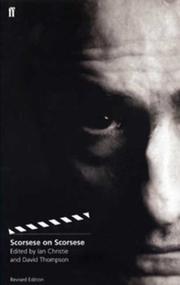
An interview book in the Faber Directors on Directors series, edited by David Thompson and Ian Christie from conversations and lectures, running film by film from Who's That Knocking to the 1990s. Start here: it is the closest thing to an autobiography and every subsequent writer quotes it.
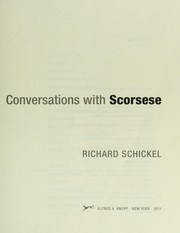
A book-length dialogue with the Time critic Richard Schickel, conducted over years and reaching into the 2000s films the Faber volume predates. Read second, as the update and the more relaxed of the two — Schickel pushes back in a way an authorised career survey does not.
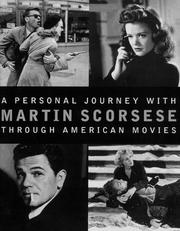
The book of Scorsese's own four-hour documentary on American cinema, written with Michael Henry Wilson. Not about his films at all — it is his critical canon, and it explains the borrowings and homages the later criticism spends chapters decoding.
The context: New Hollywood
BeginnerUnderstand the industry moment that made Scorsese possible and nearly destroyed him, and how his contemporaries and critics saw the films as they appeared.
▸ Study plan for this stage
Pace: Three to four weeks, about 815 pages. Peter Biskind's Easy riders, raging bulls is 506 pages of gossipy narrative journalism about the 1970s American film generation, and its sourcing is contested — several of its subjects have publicly disputed his account, so read it for the industry mechanics and
- The studio collapse of the late 1960s and the brief period of director control that followed
- How Scorsese's early films were financed, and the Roger Corman route into the industry
- The end of New Hollywood — the blockbuster, the cost overruns, and the drug culture Biskind foregrounds
- Contemporaneous reception as evidence: which Scorsese films were understood on arrival and which took twenty years
- Ebert's revisions of his own verdicts, and what a critic changing his mind in print is worth
- Reading disputed journalism: Biskind's anecdotes are vivid and several are denied, so treat each as a claim rather than a fact
- How did Scorsese get from NYU to a feature, financially and institutionally?
- What ended New Hollywood, according to Biskind, and which parts of that account are supported by anything other than interviews?
- Which Scorsese film did Ebert most misjudge on release, and what did he say later?
- Which of Biskind's claims about Scorsese specifically would you want corroborated, and by whom?
- Does Biskind's account of the period change how you read Scorsese's own version of the same years?
- Take three specific claims Biskind makes about Scorsese and check each against the interview books from stage 1; note which are confirmed, which contradicted and which unaddressed.
- Read Ebert's original review of Raging Bull alongside his later reassessment and mark exactly what he revised.
- Build a one-page timeline of Scorsese's films with their year, budget and reception as Ebert and Biskind report it. You will use it in the next two stages.
- Pick one film Ebert reviewed badly on release and write 300 words on whether his reasons were about the film or about the year it arrived in.
Next up: With the industry and the reception established, the biographies and surveys are where the documented life is checked against the version Scorsese tells.
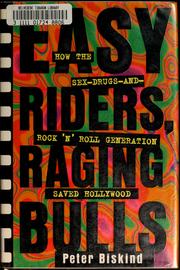
Gossipy narrative journalism about the 1970s American film generation — Coppola, Spielberg, Altman, Ashby, Scorsese — and the drugs and money that ended it. Read for the context and the industry mechanics, not as scholarship: Biskind's sourcing is contested and several subjects have disputed his account.
Forty years of Roger Ebert's reviews of the films as they were released, plus interviews, with Ebert's own later reassessments attached. The value is the contemporaneous record — you see which films were understood on arrival and which took twenty years.
The biographies and the film-by-film surveys
IntermediateGet the documented life and career outside Scorsese's own telling, and a systematic critical pass across the whole filmography.
▸ Study plan for this stage
Pace: Four to five weeks. Vincent LoBrutto's Martin Scorsese : a Biography carries no page count in our catalogue; it is an unauthorised full-life biography by a film-history writer and is the standard one-volume life — the place to check dates and facts the interview books gloss. Ben Nyce's Scorsese up c
- Unauthorised biography as a corrective: what LoBrutto documents that the interview books do not raise
- The cocaine years and the near-fatal collapse, and how they sit between New York, New York and Raging Bull
- Film-by-film survey as a form — description before interpretation, which is what Nyce provides
- The drift in Scorsese's self-explanation across thirty years of press interviews, which is Brunette's real subject
- The difference between an authorised career survey and an assembled record of what he said to whoever asked
- Checking a self-account against a documented one: where the two diverge and why
- What does LoBrutto establish about the late 1970s that Scorsese's own books leave vague?
- Where does Nyce's reading of a film differ from Scorsese's stated intention for it?
- Reading Brunette's collection chronologically, what changes in how Scorsese explains himself between 1969 and the 1990s?
- Which of these three books would you consult to settle a factual dispute, and why not the other two?
- Is there a Scorsese biography this path is missing? What would it need to cover?
- Take five dates from Scorsese's own account in stage 1 and check each against LoBrutto. Note any that do not match.
- Read Nyce's chapter on one film you know well and mark every claim that is description and every claim that is interpretation.
- Read Brunette's earliest and latest interviews consecutively, skipping everything between, and write down what has changed in the answers to the same questions.
- Update the timeline you built in stage 2 with the biographical events LoBrutto adds.
Next up: With the life documented and the filmography described, the criticism can be read as argument rather than as information.

An unauthorised full-life biography by a film-history writer: Little Italy, NYU, the asthma, the marriages, the cocaine years and the recovery. The standard one-volume life, and the place to check dates and facts the interview books gloss.
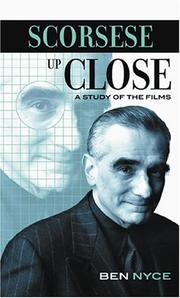
A film-by-film critical study working through the features in order, readable rather than theoretical. Placed here as the bridge between biography and the harder criticism in stage 4 — Nyce describes what is on screen before anyone starts interpreting it.
A scholarly anthology in the University Press of Mississippi Conversations with Filmmakers series, collecting press interviews from 1969 onward rather than a single interviewer's project. The point is the range of interlocutors and the visible drift in how Scorsese explains himself over time. Its catalogue record displays simply as 'Martin Scorsese'.
The critical readings
IntermediateRead the academic film scholarship on the films — the Catholic sacramental reading, the intertextual reading, and Scorsese's place in the auteur criticism of American cinema.
▸ Study plan for this stage
Pace: Five to six weeks, about 870 pages, and this is the hardest reading on the path. Lesley Stern's The Scorsese connection is 257 pages of academic close reading in the BFI mould, tracing how the films quote and rework other cinema as a system rather than a set of nods; it assumes you know the films we
- Intertextuality as a system: Stern's claim that the films' borrowings from Powell, Minnelli and the Western are structural rather than decorative
- The sacramental reading — guilt, penance, blood and redemption as a consistent formal structure from Mean Streets onward
- Auteur criticism and its assumptions, which Kolker both uses and interrogates
- How academic film writing argues: close analysis of specific shots and sequences as evidence
- Placing Scorsese against his peers rather than inside his own preoccupations, which is Kolker's whole method
- Where the criticism contradicts the director's own account, and which of the two the evidence supports
- What is Stern's central claim, and which sequence does she use as her strongest demonstration?
- Does Bliss's sacramental reading survive the films Scorsese made after his book was published?
- What does Kolker say Scorsese shares with Altman, and what does he say separates them?
- Where does the criticism in this stage directly contradict Scorsese's stated intentions from stage 1?
- Is intertextuality a claim about the films or about the critic's own viewing history? How would you tell?
- Take one sequence Stern analyses in detail, watch it, and read her analysis with the film paused at each shot she cites. Her argument is unusable without doing this.
- Test Bliss's structure on a film he does not cover — Casino, The Departed or Silence — and write down whether the sacramental reading holds.
- Read Kolker's Scorsese chapter and one other director's chapter and note what the comparison reveals that a single-director book cannot.
- Go back to the paragraph you wrote in stage 1 stating Scorsese's own account of his films, and revise it in the light of Stern, Bliss and Kolker. Keep both versions.
Next up: Having read the arguments about the finished films, the last stage goes back to the material they were made from — the reportage, the screenwriter and the cutting room.
Academic close reading in the BFI mould, tracing how the films quote and rework other cinema — Powell, Minnelli, the Westerns — as a system rather than a set of nods. The hardest book on this path and the most rewarding if you already know the films well.
A monograph on Catholicism and conflict in the films: guilt, penance, blood and redemption read as a consistent sacramental structure from Mean Streets to the 1990s. The full published title is The Word Made Flesh: Catholicism and Conflict in the Films of Martin Scorsese; the catalogue displays it bare.
Not a Scorsese book — a comparative study of Penn, Kubrick, Coppola, Altman, Spielberg and Scorsese as the defining American auteurs. Read last in this stage: it is the book that places him against his peers rather than inside his own preoccupations.
The collaborators and the sources
IntermediateFollow the films back to the people and texts that made them — the screenwriter, the source reportage, and the editing craft the finished films are famous for.
▸ Study plan for this stage
Pace: Four weeks, about 778 pages. Nicholas Pileggi's Wiseguy is 308 pages of reported nonfiction built on extended interviews with Henry Hill, a mob associate turned cooperating witness — it is a participant's account mediated by a journalist, not a neutral history, and it became Goodfellas almost line f
- Adaptation as subtraction: what Scorsese and Pileggi kept, cut and invented from Wiseguy
- Henry Hill as a source with obvious motives, and the difference between what he says and what is established
- How much of the Calvinist-Catholic tension credited to Scorsese arrived on the page from Schrader
- Screenplay versus finished film — what is written and what is direction, performance and cutting
- Editing as authorship: Murch on the cut as a decision about attention rather than about continuity
- Reading a collaborator's account of a shared work as a corrective to the director's
- What is in Wiseguy that is not in Goodfellas, and what is in the film that Pileggi never wrote?
- What does Schrader claim as his in Taxi Driver and Raging Bull, and does Scorsese's own account concede it?
- Reading the Taxi driver screenplay against the film, how much of what you remember is on the page?
- What does Murch say a cut is doing, and can you see Schoonmaker doing it in a specific Scorsese sequence?
- After this stage, whose film is Taxi Driver?
- Read the Wiseguy chapters on the Lufthansa heist, then watch the corresponding stretch of Goodfellas, and list every compression, invention and omission.
- Read three scenes of Schrader's Taxi driver screenplay with the film beside you and mark, line by line, what is written and what is added.
- Apply Murch's account of the cut to one Schoonmaker sequence — the Copacabana shot's aftermath, or the fights in Raging Bull — and write down what each cut is directing your attention to.
- Set Schrader's version of the Taxi Driver collaboration against Scorsese's from stage 1 and note every point of disagreement.
- Write 500 words answering 'whose film is Taxi Driver', citing Schrader, Scorsese, Stern and Murch by name.
Next up: That closes the path — the director's own account, the industry, the documented life, the criticism and the collaborators, which is the full shelf without a single authorised biography to lean on.
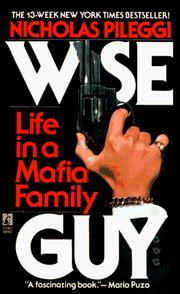
Pileggi's reported book on the mob associate Henry Hill, which became Goodfellas almost line for line. Read it to see exactly what Scorsese and Pileggi kept, cut and invented — the clearest available case study of his adaptation method.
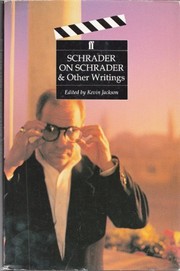
The companion Faber interview volume for Paul Schrader, who wrote Taxi Driver, Raging Bull and The Last Temptation of Christ. Essential corrective: it shows how much of the Calvinist-Catholic tension credited to Scorsese arrived on the page.
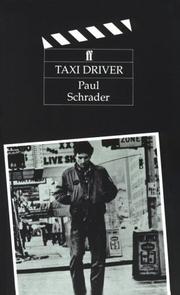
Schrader's published screenplay, catalogued with the subtitle [screenplay]. Read alongside the film to see how much of the final texture is direction and performance and how much was already written.
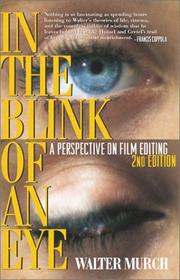
A short book on film editing by Walter Murch, not by or about Scorsese. It closes the path because Scorsese's fifty-year partnership with the editor Thelma Schoonmaker is the least-documented part of his work, and Murch's book is the best available account of what that job actually involves.
Discussion
Keep reading
Paths that share books, cover the same subject, or open a related topic.