Writing memoir looks easy and is brutally hard. You already know the material — it is your life — so the trap is thinking that knowing what happened is the same as knowing how to tell it. It is not. Memoir is a craft of selection, structure, and honesty, and the difference between a diary and a book is entirely technique. The reason to read about it in order is that beginners need permission before craft, and craft before they study the masters — jump straight to a virtuoso memoir and you will only feel discouraged.
How to write a memoir: a creative nonfiction reading path
July 12, 2026 · 2 min read
Start with permission and courage
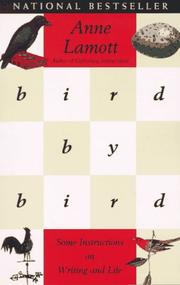
Begin with Bird by Bird by Anne Lamott, the warmest, wisest book on the emotional reality of writing — perfectionism, fear, the awful first draft. It gets you writing at all, which is the real first obstacle. Then read The Situation and the Story by Vivian Gornick, which draws the single most useful distinction in the genre: the situation (what happened) versus the story (what it means). Grasp that and half the confusion of memoir dissolves.
Learn the craft
Now the technique. Writing Creative Nonfiction by Theodore Rees Cheney covers the toolkit — scene, dialogue, structure, using fiction's methods on true material. Pair it with The Memoir Project by Marion Roach Smith, a short, practical, no-nonsense corrective that forces you to answer what your story is actually about before you write a word. Together they turn "I want to write about my life" into an actual plan.
Study the essay and the reflective mind
Memoir grew out of the personal essay, so learn from it. The Art of the Personal Essay by Phillip Lopate is the great anthology and guide to the form's history and range — the reflective, honest, first-person voice at its best. And Inventing the Truth by William Zinsser collects memoirists talking about how they chose what to tell and what to leave out.
Read the models
Finally, read finished memoirs as an apprentice. The Liars' Club by Mary Karr is a modern benchmark for turning a hard childhood into art without self-pity. When Breath Becomes Air by Paul Kalanithi shows how a memoir can hold mortality with clarity, and The Immortal Life of Henrietta Lacks by Rebecca Skloot is a masterclass in weaving the personal into reported nonfiction.
How to actually study this
- Write while you read. These books only work if you are drafting your own pages alongside them.
- For every memoir you admire, mark what the author left out. The cutting is the craft.
- Keep asking Gornick's question of your own draft: what is the story, not just the situation?
For the full staged sequence with study plans, follow the full reading path or start at the memoir writing subject hub. For more craft in order, browse the writing paths.
FAQ
- What is the best book to start writing a memoir?
- Bird by Bird by Anne Lamott to get writing, then The Situation and the Story by Vivian Gornick to understand the crucial difference between what happened and what it means.
- What is the difference between a memoir and an autobiography?
- An autobiography covers a whole life chronologically; a memoir shapes one theme or period into a story. Craft books like The Memoir Project focus you on that single throughline.
Get the books
- 1Bird by BirdAmazon ↗Anne Lamott
- 2Art of the Personal Essay, TheAmazon ↗Phillip Lopate
- 3Writing creative nonfictionAmazon ↗Theodore A. Rees Cheney
- 4The memoir projectAmazon ↗Marion Roach Smith
- 5Inventing the TruthAmazon ↗William Zinsser
- 6The situation and the storyAmazon ↗Vivian Gornick
As an Amazon Associate we earn from qualifying purchases. Some book links are affiliate links; you pay the same price and we may earn a small commission.
Follow the full reading path

Write your true story: memoir & creative nonfiction
Beginner9books67 hrs3 stages
@worksherpa♥ 0
Ready to learn something deeply?
Build a reading path — free