"World literature" is a thrilling idea and an intimidating one — a library spanning every continent, language, and century. Faced with everything, many readers freeze or default to the same handful of familiar names. An ordered path solves both problems: it starts with warm, accessible modern classics to build momentum, then widens deliberately across cultures so you encounter genuinely different ways of telling a story.
Begin with approachable modern novels, then range across continents toward richer and more demanding works.
Start accessible
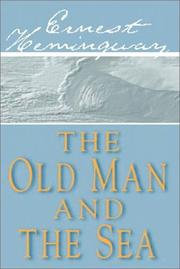
Open with books that pull you in fast: Paulo Coelho's The Alchemist Graphic Novel, Chinua Achebe's Things Fall Apart on colonialism's arrival in an Igbo village, and Ernest Hemingway's spare The Old Man and the Sea. Khaled Hosseini's The Kite Runner adds a gripping modern story set in Afghanistan.
Widen the map
Now travel. Laura Esquivel's Like Water for Chocolate brings Mexican magical realism, Yasunari Kawabata's Snow Country the quiet precision of Japanese fiction, and Gabriel García Márquez's One Hundred Years of Solitude (in Gregory Rabassa's famous translation) the full flood of Latin American magical realism. Salman Rushdie's Midnight's Children ties India's history to one life.
Deeper waters
Go further afield. Naguib Mahfouz's The Cairo trilogy charts a Cairo family across generations, Mikhail Bulgakov's The Master and Margarita fuses satire and the supernatural in Soviet Moscow, Tayeb Salih's Season of Migration to the North interrogates colonialism from Sudan, and Maxine Hong Kingston's The Woman Warrior blends memoir and myth in the Chinese-American experience.
Follow the full reading path for study plans on each stage and verified editions, in order.
Follow the full reading path →
Ready to learn something deeply?
Build a reading path — free