Corporate fraud is the most enjoyable non-fiction genre there is, which is exactly the risk. Read enough of it in random order and you end up with a collection of villains and no model — a sense that fraud happens because bad people do bad things, which explains nothing about why it clusters in particular years, industries and incentive structures.
The order below is built to avoid that. Two or three narrative cases first, so you have concrete material to think with. Then the analytical books that explain the mechanics and the psychology. Then the deal culture that produces the conditions. And last, the enforcement question that ties the whole subject together: why the firm gets charged and the people almost never do.
Start with the cases
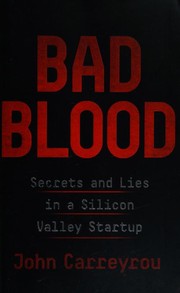
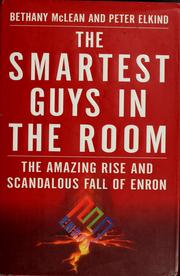
Bad Blood is the best-constructed fraud narrative of recent years, and it is unusual in the genre because the individual prosecutions succeeded. The Smartest Guys in the Room remains the definitive Enron book and is stronger than the film on the accounting — the special purpose entities are explained clearly enough to follow. Billion dollar whale covers the 1MDB looting and is the international counterpart: sovereign money, banks, and how far a fraud can travel when the jurisdictions do not cooperate.
The mechanics and the mind
Now the two books that convert cases into a model. Lying for Money is the best analytical book on the subject in print — it classifies frauds by structure rather than by industry, and argues that fraud is a function of the level of trust in an economy, so the optimal amount of it is not zero. It will reorganise everything you read afterwards. Financial Shenanigans is the practical companion: a manual for spotting the accounting manipulations in a real filing, written for analysts and entirely usable by a careful amateur.
Why they do it is a criminologist's interviews with convicted executives, and it dismantles the calculating-sociopath model. Most of his subjects did not experience themselves as deciding to commit a crime, which is uncomfortable and probably the most important finding on this path.
The deal decade, and what was never illegal
Den of thieves is the narrative of 1980s insider trading and the Milken and Boesky prosecutions. It is contested — Milken's defenders have disputed its account at length — so read it as a strongly argued position rather than a neutral record. Barbarians at the gate belongs beside it for the opposite reason, and it is the essential control case in this whole subject: almost nothing in the RJR Nabisco buyout was charged as a crime. It is a study of what is legal — fees extracted, management enriching itself, a company loaded with debt — and it gives you the baseline against which the fraud books should be measured. Without it you will systematically overestimate how much of the damage in corporate life is criminal.
The big short covers the mortgage crisis from the side of the people who saw it, and is the reminder that the largest financial disaster of the century produced almost no individual prosecutions at all. Black edge follows the insider-trading investigation of a major hedge fund and is precise about the proof problem: showing that a trader had material non-public information, and that a specific person passed it in exchange for a benefit, is far harder than showing that a firm profited.
Detection failure, and who gets charged
The Wizard of Lies is the Madoff account and No one would listen is the whistleblower's, written by the analyst who took the arithmetic to the SEC repeatedly and was ignored. Read them together: one is what happened, the other is why a functioning regulator did not stop it.
Finish with the two books that make the path an argument rather than a collection. The chickenshit club is the mechanism book — why federal prosecutors moved from charging executives to negotiating deferred prosecution agreements with companies, how the collapse of Arthur Andersen after its 2002 conviction made them fear collateral damage, and what happens to deterrence when the penalty is a corporate cheque and a compliance monitor. Empire of Pain is that argument in a single case: a corporate guilty plea, a settlement, and a family that kept most of its money. If you want the same pattern of corporate liability without personal liability run across a whole century, the tobacco industry path is the long version.
None of this is legal advice, and none of these books will tell you what is actionable in your jurisdiction — they explain how the enforcement system has behaved, which is a different question.
Follow the full ordered path here: White-Collar Crime and Corporate Fraud: The Best Books, in Order.