Three genres share this shelf and they are not interchangeable. There is reported narrative, which is where to start; there is practitioner manual writing on operational turnarounds; and there is the technical apparatus of distressed debt and bankruptcy law. Reading them in that order works because the narratives make the incentives vivid before the manuals ask you to model them.
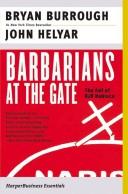
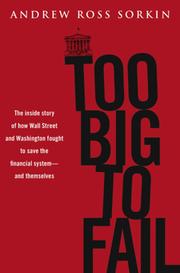
Start with Barbarians at the gate by Bryan Burrough and John Helyar — the 1988 RJR Nabisco leveraged buyout, reported by two Wall Street Journal writers, and still the clearest demonstration of how debt gets loaded onto an operating business and why that matters later. Then the crisis books. Lawrence G. McDonald's A colossal failure of common sense is a participant memoir by a Lehman Brothers trader: it is vivid on the trading floor and on internal risk arguments, and like all insider accounts it is written by someone with a position to defend. Corroborate it against Andrew Ross Sorkin's Too Big to Fail, which is reported journalism assembled from hundreds of interviews and is the better record of what happened in the rooms where decisions were made. Hilary Rosenberg's The vulture investors is the origin story of distressed investing as a trade — from 1992, and dated in its specifics, but the strategies it describes are the ones still being run.
The operating side
Stuart Slatter's two books are the classic UK-rooted turnaround management texts, and here you should read only one. Corporate Recovery is the earlier work; Corporate Turnaround, written with David Lovett, is the later and substantially rewritten treatment of the same material. Read the latter and skip the former unless you want the historical version. Jeff Sands's Corporate Turnaround Artistry is the practitioner counterpart from the small and mid-market side of the trade — cash management, stakeholder handling, what a turnaround adviser actually does in week one. It is hands-on rather than theoretical.
Stuart C. Gilson's Creating value through corporate restructuring sits between the two worlds: a Harvard Business School case collection with the financial analysis attached, covering bankruptcies, workouts, spin-offs and divestitures. If you learn from worked cases rather than principles, this is the one that will stick.
The technical core
Distressed debt analysis by Stephen G. Moyer is the standard practitioner reference for valuing a distressed company and working out where in the capital structure the value breaks. Edward I. Altman's Corporate financial distress and bankruptcy, written with Edith Hotchkiss, is the academic counterpart — Altman devised the Z-score, and this is the empirical literature on predicting and measuring distress. Distressed investment banking by Henry F. Owsley and Peter Kaufman gives the advisory view: how a restructuring banker runs a process and gets paid.
For the law, David A. Skeel's Debt's Dominion is legal-historical scholarship on how American bankruptcy law came to look the way it does, and it explains more about creditor behaviour than any procedural guide. Rodrigo Olivares-Caminal's Debt restructuring is a practitioner legal text covering both corporate and sovereign workouts across jurisdictions. Sujeet Indap and Max Frumes's Caesars Palace Coup is the modern case study to end on: a reported account of a Chapter 11 fight over an asset stripped out before filing, which is exactly the kind of dispute that now dominates the practice.
Date these books before you trust them
Much of this shelf was written before the regulatory settlement we now live under. The 2005 amendments to the US Bankruptcy Code shortened the debtor's exclusivity period and tightened lease treatment; Dodd-Frank in 2010 created a separate resolution regime for large financial institutions, which is why bank failures now follow a different script from the one in these books; and Basel III reshaped who is willing to hold distressed bank debt at all. Most consequential for practitioners, the liability management exercise — the drop-down and uptier transactions that became routine after 2016 — postdates Moyer, Slatter, Rosenberg and Altman's earlier editions entirely. The analytical machinery still holds. The list of things creditors can do to each other has grown, and no book here covers it fully.
Work through the full reading path in order and the technical books will land on prepared ground.
Follow the full ordered path here: Corporate Restructuring and Bankruptcy: The Best Books to Read First.
Ready to learn something deeply?
Build a reading path — free