Start with A Wizard of Earthsea. It is short, it is complete in itself, and it contains everything that makes Le Guin worth reading: the moral seriousness, the plain sentences that turn out to be doing three things at once, the refusal to let power come free. Published for children in 1968 and read by adults ever since, it asks about five hours of you and gives a clear answer about whether this writer is yours.
The obvious alternative is The Left Hand of Darkness, and it is probably the better novel. It is also colder, slower and structurally demanding — a chapter of invented mythology, then an ethnographic report, then a two-hundred-mile trek across an ice sheet. Readers who begin there and stall rarely come back. Begin in Earthsea and by the time you reach Gethen you will trust her enough to sit through the ice.
Two branches, and which to take first
Le Guin does not have one long series. She has two loose bodies of work — the Earthsea books (fantasy) and the Hainish books (science fiction) — plus essays, poetry and standalone novels. Neither branch depends on the other. Take Earthsea first if you want story; take Hainish first if you want argument.
Earthsea, in order
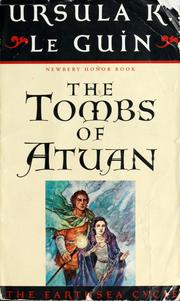
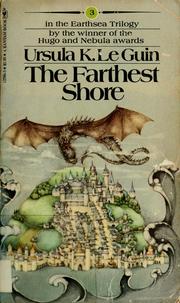
The original trilogy runs A Wizard of Earthsea, The Tombs of Atuan, The Farthest Shore, and should be read in that order. The Tombs of Atuan is the best-made of the three: claustrophobic, set almost entirely underground, with Ged demoted to a supporting part. The Farthest Shore is the slowest — a long sea voyage toward a metaphysical problem — and it is the one readers put down.
Then comes the break. Tehanu (The Earthsea Cycle, Book 4) arrived eighteen years later and deliberately dismantles the first three: no quest, a burned child, an ageing woman doing domestic work, magic examined from outside and found wanting. Some readers call it the finest thing she wrote; others feel ambushed by it. Both reactions are common and neither is silly. Read it, but leave a gap first, and do not open it expecting book four of a trilogy. Tales from Earthsea fills in the history through short fiction, and the cycle properly closes with The Other Wind, which is not in our catalogue but is the intended ending.
The Hainish books: publication order, always
The Hainish universe has an internal chronology and it is a trap. These novels were written across forty years and argue with each other; sorting them by invented timeline puts the thinnest early work first and buries the best in the middle. Publication order is the right order, which here means The Left Hand of Darkness, then The Word for World is Forest, then The Dispossessed.
The Dispossessed is the summit: a serious novel about an anarchist society that is emphatically not a paradise, built from alternating chapters that travel in opposite directions. The Word for World is Forest is short, furious and written out of Vietnam; most readers find it the most dated thing here, and its anger is the point rather than a defect. The Telling, a late and quiet Hainish novel about a state that has abolished its own past, is for readers already committed.
Two conspicuous absences: The Lathe of Heaven, her dream-logic novel that Philip K. Dick admired, and the very short story The Ones Who Walk Away from Omelas. Neither is in our catalogue, both are easy to find, and neither requires anything else first.
The essays
The language of the night, published as The Language of the Night, collects her criticism on fantasy and science fiction and is the best short course anywhere on why genre argument matters. Dancing at the Edge of the World gathers the later, more political and more personal pieces. Read either at any point; they change how you read the fiction.
Where to stop
There is no wrong stopping place, but a natural one exists after The Dispossessed and Tehanu (The Earthsea Cycle, Book 4). If those two land, everything else is bonus. If they do not, the later work will not convert you. Readers drawn to her moral steadiness usually find the same quality in Toni Morrison.
Follow the full ordered path here: Ursula K. Le Guin Reading Order: Where to Start.