The Church of Jesus Christ of Latter-day Saints began in nineteenth-century America and grew into a global faith with a vivid history and a distinctive theology. Understanding it well means reading widely and fairly, hearing believing scholars, critical historians, and the movement's own scripture. A balanced order keeps any single viewpoint from standing in for the whole.
The path moves from biography of the founder to histories from several angles, then to primary texts and scholarly study.
The founder
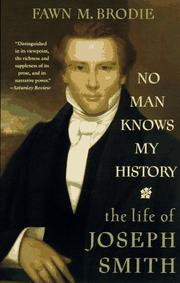
Start with the two great biographies of Joseph Smith, which frame everything else. No Man Knows My History by Fawn Brodie is the influential, skeptical life that treats him as a complex historical figure, and Rough Stone Rolling by Richard Bushman is the acclaimed account by a believing scholar. Reading them together models the balance the whole subject requires.
Histories inside and out
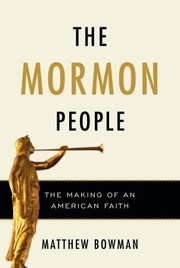
Next, widen to the movement. The Mormon people by Matthew Bowman is a fair, readable survey of the church from its origins to the present. Under the Banner of Heaven by Jon Krakauer explores fundamentalist offshoots and violence and is gripping, though best read as journalism rather than a full portrait of mainstream faith. Holding these together shows both the institution and its contested edges.
Scripture and scholarship
Then come the primary and doctrinal sources. The Book of Mormon, the movement's founding scripture published by Joseph Smith, is essential to read firsthand, and Mormon doctrine by Bruce McConkie and The miracle of forgiveness by Spencer Kimball show influential twentieth-century teaching, both important even where later leaders qualified them. For critical and historical study, An Insider's View of Mormon Origins by Grant Palmer examines the founding narratives, and Mormonism unvailed by Eber Howe is the earliest published critique, a historical document in its own right. The path closes with scholarly framing from Terryl Givens and The Power of Everyday Politics by Armand Mauss on how the community engages the world.
Read in this order and Mormonism comes into focus from many angles at once. Follow the full path to study it fairly and in depth.
Follow the full reading path →
Ready to learn something deeply?
Build a reading path — free