Descartes is where modern philosophy begins, and reading him well means resisting two temptations: diving into the primary texts with no context, or reading endless commentary without ever meeting his actual arguments. The famous moves — radical doubt, "I think, therefore I am," the split between mind and body — are simple to quote and easy to misunderstand. A good order fixes that.
This path starts with friendly orientation, moves to Descartes's own writing, and ends with the scholarship and the critiques that his ideas provoked.
Orientation
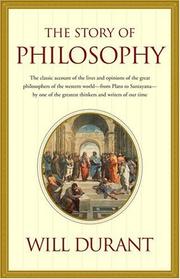
Start with Sophie's World, the novel that has introduced more people to the history of philosophy than any textbook, for a painless map of where Descartes sits. Then read The Story of Philosophy, Will Durant's warm survey, which places Descartes among the great thinkers and explains why his break with the past mattered so much. Together they build the runway before takeoff.
Descartes in his own words
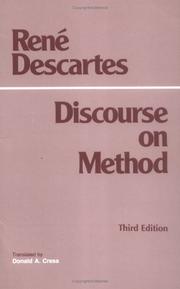
Now the primary texts, which are shorter and more readable than their reputation. Discourse on the method is his accessible account of how he arrived at his approach — the ideal first taste of his actual voice. Then Discourse on Method and Meditations on First Philosophy gives you the Meditations themselves, the compact masterpiece where the method of doubt and the cogito are worked out. Read slowly; these few pages founded a whole tradition.
Interpretation and critique
The final arc is the conversation Descartes started. Descartes: An Introduction by Gary Hatfield is a clear scholarly guide through the arguments, and The Cambridge companion to Descartes collects expert essays for deeper study. The critiques are essential too: The concept of mind is Gilbert Ryle's famous attack on the "ghost in the machine," and Descartes' Error, Antonio Damasio's neuroscience-based challenge, argues that the sharp split between reason and emotion was a mistake. For the wider setting, A History of Western Philosophy places Descartes in the sweep of the tradition, and Descartes Against the Skeptics examines how well his project actually answers the doubt it raises.
Read in this order, Descartes becomes a thinker you can argue with rather than a slogan you half-remember. Follow the full path to work through it stage by stage.
Follow the full reading path →
Ready to learn something deeply?
Build a reading path — free