The Spanish conquest of the Americas is a subject where the choice of narrator changes everything. Read only the conquistadors and you get heroism and destiny; read only the modern revisionists and you can lose the human drama. The strongest order gives you the gripping narrative, then the science of why it happened, then the Indigenous voice, and finally the myth-busting — so you finish able to see the event from every side.
This path deliberately braids the conquerors' story with the perspective of the conquered, because neither alone is the truth.
Start with the narrative
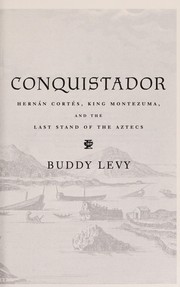
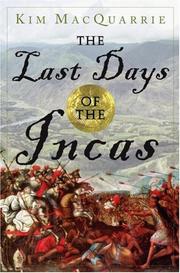
Begin with Conquistador, Buddy Levy's fast-moving account of Cortes and the fall of the Aztecs, and The Last Days of the Incas for Pizarro and Peru. Then go to a primary source in The Conquest of New Spain, the eyewitness chronicle by one of Cortes's own soldiers — thrilling, and revealing in its biases.
Understand why it happened
Now the deeper causes. The broken spears gathers Aztec accounts of the conquest, flipping the perspective to the conquered. Guns, Germs, and Steel offers a sweeping (and debated) explanation for European advantage, and 1491 reconstructs the rich, populous Americas that existed before contact — essential for grasping the scale of what was lost. Read Diamond critically, as one contested thesis among several.
Weigh the debate and the myths
The final stage is interpretation. Rivers of Gold narrates the building of Spain's empire, while The semiotic conquest of America asks how the collision of two cultures unfolded as a clash of understanding. A short account of the destruction of the Indies is the searing sixteenth-century indictment by a Spanish friar who witnessed the atrocities, and Seven Myths of the Spanish Conquest dismantles the legends that still cloud the story.
Follow the full path and the conquest becomes a fully human event — conquerors, conquered, and the myths in between. The related philosophy paths deepen the moral questions it raises.
Follow the full reading path →
Ready to learn something deeply?
Build a reading path — free