Basketball looks simple and is not. The rules take minutes to learn; the game underneath — spacing, tempo, help defense, why some shots are "good" and others aren't — takes years to see. A little reading collapses that timeline. You start noticing the possession-by-possession chess match that casual fans miss, and both watching and playing get richer.
Understand basketball: a reading path for smarter fans
July 12, 2026 · 2 min read
Why order matters here
Start with an analytics-heavy book and it feels like homework; start only with nostalgia and you never learn why the game works. The path below moves from the human feel of the sport, to how modern basketball is actually built, to the data that explains today's game, and closes with the stories that give it meaning.
A staged reading path
Begin with feel. The Art of a Beautiful Game by Chris Ballard gets inside what elite players actually do — the footwork, the shooting touch, the hidden craft — and makes you appreciate skill you used to overlook. Pair it with Basketball (and Other Things) by Shea Serrano, a funny, smart, illustrated tour of the arguments fans love; it is the most enjoyable on-ramp on this list.
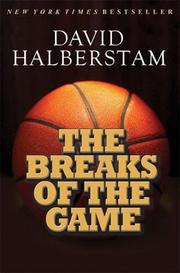
Then go historical to understand how the modern game arrived. The Breaks of the Game by David Halberstam is widely considered the best basketball book ever written — a season inside an NBA team that reveals the sport's economics and pressures. Soul of Basketball by Ian Thomsen captures the era that shaped today's stars.
Now learn to see the tactics and numbers. Midrange Theory by Seth Partnow explains modern analytics in plain language — why teams shoot threes and layups and shun the midrange. SprawlBall by Kirk Goldsberry uses maps and shot charts to show how spacing reshaped the sport visually. For the foundational text, Basketball on Paper by Dean Oliver is where basketball analytics essentially began; read it once you have the vocabulary.
Close with mindset and story. The Mamba Mentality by Kobe Bryant is a first-person look at how one obsessive great prepared, and Showtime by Jeff Pearlman is a page-turning history of the Lakers dynasty that shows the game as spectacle and business.
How to actually learn this
Read with a game on. After a chapter on spacing or shot selection, watch a quarter and try to narrate what you learned — where the help defense comes from, why that corner three was open. If you play, take one concept (footwork, off-ball movement) into your next run. The eye trains through reps of watching deliberately, not passively.
Become the fan who sees the whole board. Follow the full reading path, visit the basketball subject hub, or explore more sports reading paths.
FAQ
- What is the best basketball book for a new fan?
- Start with Basketball (and Other Things) for fun and The Art of a Beautiful Game for craft. Both build appreciation before you tackle analytics-heavy titles like Basketball on Paper.
- Do I need to understand analytics to enjoy basketball?
- No, but a little helps. Midrange Theory explains modern shot selection in plain language, and it changes how you watch every possession.
Get the books
- 1The art of a beautiful gameAmazon ↗Chris Ballard
- 2Basketball (and other things)Amazon ↗Shea Serrano
- 3The breaks of the gameAmazon ↗David Halberstam
- 4FreeDarko Presents: The Macrophenomenal Pro Basketball AlmanacAmazon ↗Bethlehem Shoals
- 5Soul of BasketballAmazon ↗Ian Thomsen
- 6Midrange TheoryAmazon ↗Seth Partnow
As an Amazon Associate we earn from qualifying purchases. Some book links are affiliate links; you pay the same price and we may earn a small commission.
Follow the full reading path


Understand basketball: watch and play smarter
Beginner10books64 hrs5 stages
Ready to learn something deeply?
Build a reading path — free