Baseball is the thinking fan's game. It is slow on purpose, which leaves room for strategy, superstition, and a century of argument about what actually wins. It is also the most written-about and most rigorously analyzed sport in the world — the birthplace of the data revolution that has since spread everywhere. That makes it uniquely rewarding to study through books.
Understand baseball: a reading path for thinking fans
July 12, 2026 · 2 min read
Why order matters here
You can approach baseball through its culture or through its numbers, and the best understanding needs both. Lead with the analytics and you miss why the game is beloved; lead only with nostalgia and you will not understand the modern front office. This path starts with the game's texture and unwritten codes, moves into the sabermetric revolution, and ends in its greatest narrative histories.
A staged reading path
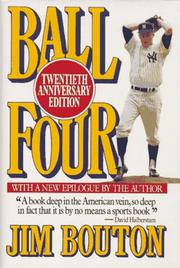
Start inside the clubhouse. The Baseball Codes by Jason Turbow explains the unwritten rules — the retaliations, courtesies, and superstitions — that govern the game beneath the rulebook. Ball Four by Jim Bouton, the diary that scandalized baseball in 1970, remains the funniest and most honest look at what the life is actually like. Together they give you the human game.
Then meet the revolution. Moneyball by Michael Lewis is the famous story of how the low-budget Athletics used data to compete, and it is the perfect gateway to analytics because it is a narrative first. The Extra 2% by Jonah Keri applies the same lens to the Rays. Follow with Smart Baseball by Keith Law, which teaches you which statistics actually matter and why the old ones mislead, and The Hidden Game of Baseball by John Thorn, the foundational text that made sabermetrics respectable.
Close with the sport as literature and history. Baseball by Geoffrey C. Ward, companion to the Ken Burns films, is the sweeping social history of the game. The Boys of Summer by Roger Kahn, about the 1950s Brooklyn Dodgers, is one of the finest sports books ever written, and The Soul of Baseball by Joe Posnanski, told through Buck O'Neil, captures the game's heart. If you want a novel that understands the sport's inner life, The Art of Fielding by Chad Harbach delivers.
How to actually learn this
Watch with a box score and a scorecard. After reading about a statistic like on-base percentage, follow it across a week of games and see what it predicts. Keep score by hand for a few innings — it forces you to notice every decision. The numbers stick when you attach them to games you actually watched, and the histories make more sense once you have felt a full season's rhythm.
See the whole game, not just the score. Follow the full reading path, visit the baseball subject hub, or explore more sports paths.
FAQ
- What is the best baseball book to start with?
- For culture, start with The Baseball Codes or Ball Four. For the analytics story, Moneyball is the ideal gateway because it reads like a narrative before it teaches you anything technical.
- How do I learn sabermetrics as a fan?
- Read Smart Baseball to learn which stats matter and why, then The Hidden Game of Baseball for the foundations. Track one metric across real games to make it concrete.
Get the books
- 1The baseball codesAmazon ↗Jason Turbow
- 2Ball FourAmazon ↗Jim Bouton
- 3The Art of FieldingAmazon ↗Chad Harbach
- 4The hidden game of baseballAmazon ↗John Thorn
- 5MoneyballAmazon ↗Michael Lewis
- 6The extra 2%Amazon ↗Jonah Keri
As an Amazon Associate we earn from qualifying purchases. Some book links are affiliate links; you pay the same price and we may earn a small commission.
Follow the full reading path


Understand baseball: the thinking fan's game
Beginner10books94 hrs4 stages
Ready to learn something deeply?
Build a reading path — free