Type 1 diabetes is unusual among chronic conditions in how much of the clinical decision-making is delegated to the patient. A doctor is seen a few times a year; the insulin doses are calculated daily, sometimes hourly, by the person living with it. That is why the book literature here is genuinely substantial and genuinely useful, in a way it is not for many conditions.
Say the obvious thing once, plainly: these books teach reasoning, not prescriptions. Insulin dosing changes belong with your care team, and adjusting ratios or basal rates on the strength of a book alone can be dangerous. Nothing here cures type 1 diabetes or reduces the need for insulin. What these books do is make you a far better-informed participant in your own care, which is measurable and worth a great deal.
The foundation
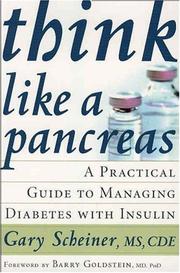
Start with Think Like a Pancreas by Gary Scheiner, a certified diabetes educator who has lived with type 1 since 1985. It is the standard recommendation for a reason: it explains insulin action curves, carbohydrate ratios, correction factors, exercise effects, and illness management in language that treats you as capable of the arithmetic. If you read only one book, this is it.
Working with continuous data
Then Sugar Surfing by Stephen Ponder, a paediatric endocrinologist who also has type 1. The book is built around continuous glucose monitoring and argues for dynamic management: reading trend arrows and acting on the direction of change rather than treating each reading as a snapshot. It is the natural sequel to Scheiner once you have a sensor, and it is the mental shift most people need when moving from fingersticks to CGM.
Insulin references
Using insulin by John Walsh and Ruth Roberts is the detailed reference on insulin types, timing, basal and bolus structure, and troubleshooting patterns in your data. Pumping Insulin is the same authors' book for pump therapy specifically, covering basal profiles, boluses, site management, and increasingly automated systems. These two overlap substantially. Choose by delivery method: injections, read Using insulin; pump, read Pumping Insulin and skip the other unless you are switching.
Alongside them, The diabetes carbohydrate and fat gram guide by Lea Ann Holzmeister is a lookup reference rather than a read: portion-level carbohydrate, fat, and calorie figures for common foods, restaurant items, and packaged products. Carb estimation is the largest source of dosing error for most people, and a reference beside the kitchen counter measurably narrows it.
For families
If a child has been diagnosed, two books matter. The everything parent's guide to children with juvenile diabetes by Moira McCarthy is written from a parent's perspective and is strongest on the practical and emotional load: school plans, sleepovers, sports, sibling dynamics, and the negotiation of independence as a child grows.
Type 1 Diabetes in Children, Adolescents and Young Adults by Ragnar Hanas is the more clinical companion, an unusually thorough handbook covering physiology, dosing, growth, puberty, and complications, written to be read by families as well as professionals. Many parents keep it as the reference they return to for years.
A sensible route: Scheiner first, then Ponder if you use CGM, then the Walsh book matching your delivery method, with Holzmeister on the shelf. Families add McCarthy for the emotional realities and Hanas for depth. Follow the full path and the daily decisions get easier to reason about, though never automatic.
Follow the full ordered path here: Best Books on Type 1 Diabetes, in Reading Order.