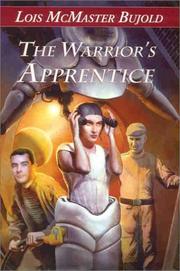
Start with The Warrior Apprentice, published as The Warrior's Apprentice. It is not the first book chronologically and it was not quite the first published, but it is the correct entry: seventeen-year-old Miles Vorkosigan fails his military entrance exam, leaves the planet in a sulk, and accidentally acquires a mercenary fleet. Everything the series is good at — comic escalation, a physically disabled protagonist out-talking everyone in the room, consequences that arrive several books later — is present and immediately legible.
The obvious alternative is Shards of Honor, which comes first in internal chronology and follows Miles's parents. It is a good book and a rougher one; it is Bujold's first published novel, it is a romance in a military setting rather than the picaresque the series becomes, and readers who start there sometimes conclude the saga is not for them. Start with Miles. His parents' story is better once you already love their son.
The order controversy, laid out
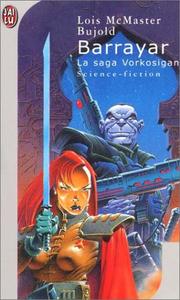
Publication order runs Shards of Honor and The Warrior Apprentice in 1986, then a scatter of books that repeatedly jump backwards — Barrayar was written eight years after the book it directly continues from, and Cetaganda was written after novels set later in Miles's career.
Internal chronological order reads Miles's life straight through and is the order Bujold's omnibus editions now print. Because most of the saga's back-fill was written knowing the future, it holds together far better than most retro-fitted chronologies. The cost is small: a few reveals land less forcefully.
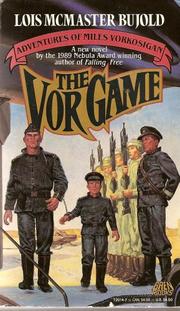
The recommendation: start with The Warrior Apprentice, then read chronologically from Shards of Honor onward. In practice that means Shards of Honor, Barrayar, then back to Miles for The Vor Game, Cetaganda, Mirror Dance, Memory, A Civil Campaign, Diplomatic immunity and the later volumes. It is a hybrid, and it is what most experienced readers actually recommend.
The peak
Mirror Dance and Memory are the centre of the saga and the reason people evangelise it. Mirror Dance is the darkest book Bujold wrote in this world; Memory is a quiet novel about consequence and identity in which almost no action occurs and which regularly tops reader polls. Do not read either out of sequence. Their power is entirely cumulative — Memory in particular is a payoff for six books of accumulated behaviour and means very little cold.
A Civil Campaign is the comic high point, a Regency romance transplanted into a space opera, and it is nearly incomprehensible without the four books before it.
Honest warnings
The early novels are lighter and more episodic than their reputation suggests; readers arriving expecting literary science fiction find The Warrior Apprentice frothy. That is the design, and the series deepens sharply from Mirror Dance onward.
The later books change genre without warning. Diplomatic immunity is a competent procedural rather than a great novel, and Gentleman Jole and the Red Queen is a slow, largely domestic book about middle-aged people making decisions, with Miles almost absent. It divides the readership more sharply than anything else in the saga. The Flowers of Vashnoi is a novella and an epilogue.
Where to stop
A Civil Campaign is the most satisfying stopping point — the arc that began with a seventeen-year-old and a stolen ship completes there. Everything after it is genuinely optional, and readers who stop there tend to remember the series more fondly than those who read to the end and found the last volumes becalmed.
For more long-running character sagas, see The Green Bone Saga.
Follow the full ordered path here: Vorkosigan Reading Order: Publication or Chronological?.