Popular memory of the Underground Railroad tends to center white conductors, secret tunnels, and quilt codes. The scholarship of the last thirty years has moved decisively away from that picture toward one in which fugitives themselves did most of the work, free Black communities and Black churches supplied most of the infrastructure, and the "network" was less a system than a set of overlapping local ones. Reading order is how you get to that revision without first absorbing the myth.
The other reason to sequence carefully: the best sources are the fugitives' own. Nineteenth-century escape narratives were written to persuade, published under abolitionist sponsorship, and scrutinized for accuracy by hostile readers at the time. They are documents with agendas — and they are also the richest evidence there is.
Begin with the narratives
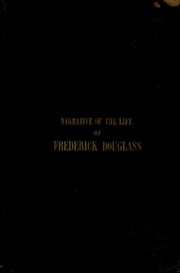
Narrative of the life of Frederick Douglass is the place to start. It is short, it is one of the great pieces of American prose, and its account of literacy as the hinge of freedom explains the logic of the whole system he later helped run in Rochester.
Then read Incidents in the Life of a Slave Girl by Harriet Jacobs, which does what Douglass largely cannot: it makes sexual coercion central, and it describes seven years spent hidden in a crawlspace above her grandmother's shed. Long dismissed as fiction, it was authenticated by Jean Fagan Yellin's archival work and is now recognized as autobiography.
Colson Whitehead's The Underground Railroad is the one novel here — it literalizes the railroad as an actual train — and it is worth reading after the two narratives, when you can see what it is doing with the material rather than mistaking invention for record.
Then the network histories
Bound for Canaan by Fergus Bordewich is the best single narrative history of the movement across its whole span, and it is clear about the leading role of free Black organizers. Catherine Clinton's Harriet Tubman is the sober biography — Tubman's actual record of roughly thirteen missions and some seventy people is remarkable without the inflated numbers that circulate, and Clinton also covers her Civil War service and later life.
Then go to the primary record. Still's underground railroad records with a life of the author is William Still's compilation, kept as he interviewed arrivals in Philadelphia: names, owners, methods, destinations. It is the single most important documentary source on the subject and reads like nothing else. Pair it with Running a Thousand Miles for Freedom, the Crafts' account of escaping Georgia with Ellen disguised as a white enslaver traveling with her servant — the most audacious escape on record, told by the people who made it.
Set it in the law and the economy
Gateway to Freedom is Eric Foner's study of the New York network, built from a rediscovered record of fugitives, and it is the most rigorous account of how one hub actually operated. America's Constitution by Akhil Reed Amar supplies the legal architecture — the fugitive slave clause, the compromises, and how constitutional text made escape a federal matter.
Passages to Freedom, edited by David Blight, is the multi-author volume that best surveys where the scholarship stands, including the myth-busting. Close with The Half Has Never Been Told by Edward Baptist, on slavery as an engine of American economic growth; his interpretation of the numbers is contested by some economic historians, but the book makes clear what escapees were escaping from and what was at stake for those pursuing them.
Follow the full path to keep the order, or browse /discover for the wider American history lists.
Follow the full ordered path here: How to Read About the Underground Railroad, in Order.