Most people think self-discipline means white-knuckling through temptation, and then blame themselves when it fails. The research says something more hopeful: discipline is mostly about designing your environment and habits so you don't need to rely on willpower in the first place. This reading order moves from the science of habit and self-control, through practical systems, to the mindset that sustains the whole thing.
Read in order, these books replace the exhausting "try harder" model with something that actually works over years.
The science of habit and self-control
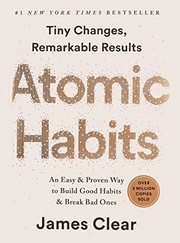
Start with The Power of Habit, which explains the neurological loop behind automatic behavior — the key insight that most of what we do isn't decided in the moment. Willpower then surveys the psychology of self-control, including its limits and how it can be strengthened like a muscle. Atomic Habits turns all of this into a concrete system for building good habits and breaking bad ones by changing your environment, not just your resolve.
Practical systems
Now make it easy. Tiny Habits argues for starting absurdly small, so new behaviors require almost no willpower to begin. Drive explains what actually motivates sustained effort — autonomy, mastery, purpose — and Succeed covers the goal-setting research on how to frame goals so you follow through. The willpower instinct ties self-control to physiology, showing how sleep, stress, and even breathing affect your capacity to resist.
The mindset that lasts
Discipline needs a why. No Excuses!: The Power of Self-Discipline is the direct, motivational case for taking responsibility, Grit presents the research on how passion and perseverance predict success more than talent, and Meditations — the ancient Stoic notebook — offers the timeless philosophical anchor for self-mastery.
Follow the full path and you'll stop treating discipline as a daily battle and start treating it as a system you've built once and can rely on.
Follow the full reading path →
Ready to learn something deeply?
Build a reading path — free