Reading the Bible as literature is a distinct discipline, separate from reading it as scripture or as history. The aim is to see the craft: how its stories are built, why its poetry works, how a library assembled over a thousand years achieves such narrative power. The obstacle is that most people arrive either as believers who never analyze the artistry or as skeptics who never slow down to admire it. Either way, without a method the literary richness stays invisible.
The reading order builds that method: first how to read biblically as literature, then close study of narrative and poetry, then the Bible's own literary afterlife in English.
Learn how to read it
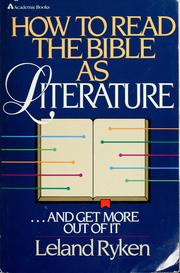
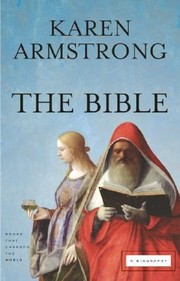
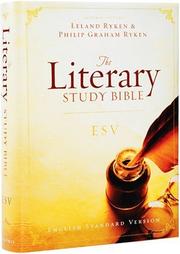
Start with How to read the Bible as literature by Leland Ryken, the foundational guide to approaching scripture with literary tools — genre, imagery, structure. Pair it with The Bible A Biography by Karen Armstrong, a short, accessible history of how the Bible was written and read across the centuries, which supplies essential context. Then The literary study Bible by Leland and Philip Ryken presents the text itself with literary introductions and notes, a working companion for everything that follows.
Study the craft up close
Now the deep literary analysis, and here Robert Alter is indispensable. The art of biblical narrative is the landmark study of how Hebrew storytelling works — its terseness, repetition, and the meaning hidden in what is left out. Its companion, The Art of Biblical Poetry, decodes the parallelism and imagery of the Psalms and prophets. Return to Ryken for The Story of Stories, which traces the Bible's overarching narrative arc as a unified literary design. To see the method applied to a single masterpiece, The Book of Job in Stephen Mitchell's rendering reads that great poem of suffering as literature.
Trace its literary legacy
Finally, follow the Bible's influence on the language itself. The King James Bible by David Norton studies the making and style of the most influential English translation, and Begat by David Crystal counts the hundreds of everyday phrases the King James Version gave English. For the grand theory of how biblical imagery structures all of Western literature, read Great Code the Bible and Literature by Northrop Frye, and The Bible and the Sword by Leland Ryken rounds out the study of its cultural reach.
Read in this order, the Bible as literature becomes a teachable skill — and one of the richest bodies of writing in the language opens up. This path studies the text as literature and takes no theological side. Follow the full reading path, or browse the subject hub.
Ready to learn something deeply?
Build a reading path — free