Turkish looks intimidating and then, oddly, becomes a pleasure — because it is remarkably regular. Words are built by stacking suffixes onto roots (agglutination), and vowel harmony makes those suffixes almost sing. But that logic is invisible if you start with a phrasebook or jump into a novel. You need a book order that foregrounds the system first, so everything after clicks into place.
The arc is a solid grammar and course foundation, then structured reading, then real literature that shows the language doing its work.
Lay the foundation
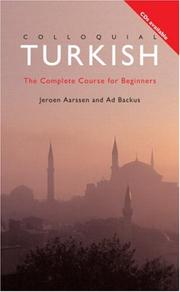
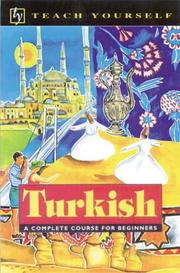
Start with Turkish grammar by Geoffrey Lewis, the classic scholarly grammar that explains the elegance of the system with authority. For daily learning, Colloquial Turkish by Ad Backus teaches the spoken language in graded lessons, and Turkish: An Essential Grammar by Gerjan van Schaaik is the modern, learner-friendly reference to keep beside it. Add Teach Yourself Turkish Complete Course by Asuman Çelen Pollard for a full self-study program, and Elementary Turkish by Lewis Thomas for extra structured practice — together they drill the suffix logic until it feels natural.
Bridge into reading
Once the grammar holds, start reading real Turkish at a manageable level. Turkish Short Stories edited by Talat Sait Halman collects accessible stories with support, the ideal bridge between textbook sentences and the wild variety of authentic prose. This is where vocabulary starts compounding on its own.
Read modern Turkey
Now the literature. İçimizdeki Şeytan by Sabahattin Ali is a classic twentieth-century Turkish novel — psychologically rich and a strong first "real book." Then reach for Kar by Orhan Pamuk, the Nobel laureate's novel of politics, faith, and snow-bound isolation, which rewards the vocabulary and patience the earlier stages built.
Be honest with yourself about the goal: these books will make you a strong reader and grammarian, but conversational fluency needs speaking practice. Pair the path with a tutor or language partner once you have the foundation. Follow the full reading path for the staged version, or browse the subject hub.
Ready to learn something deeply?
Build a reading path — free