The Ardennes offensive of December 1944 produced the largest single battle the US Army fought in the war, and a literature to match. The problem is not scarcity, it is provenance. Three quite different kinds of source sit on the same shelf without labels, and they have very different evidential weight.
The first is popular journalism, and specifically Battle: The Story of the Bulge, published in 1959. Toland interviewed hundreds of participants on both sides and wrote the book that fixed the battle's popular shape — which episodes matter, which units are famous, how the story is paced. Much of what a general reader thinks they know about the Bulge descends from it.
The second is postwar German testimony. A great deal of what is known about German planning comes from accounts written by senior German officers in Allied custody after the war, largely for the US Army's historical division. These are useful and they are also interested testimony: written by defeated commanders with reputations to protect, in some cases with war-crimes exposure, and with a powerful shared incentive to attribute every failure to Hitler's interference. Books that lean on them inherit that slant unless they push back on it.
The third is official and scholarly history built from unit records on both sides. That is where the load-bearing detail is.
One further warning. Band of Brothers is among the most influential books on this campaign, and Ambrose's sourcing and quotation practices have been publicly criticised — passages borrowed from other works, and some interview material that could not be substantiated. It remains a well-told account of one company. Treat it as that, and verify anything from it you intend to repeat as fact.
Start with the modern narratives
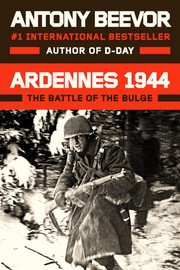
Ardennes 1944 is Beevor's account, strong on the human texture and on the Allied command friction. A Time for Trumpets is the strongest single military history of the battle: MacDonald commanded a rifle company in the Ardennes and later became an official US Army historian, so he combines the two things this subject most needs. Snow and Steel is the most recent large-scale scholarly narrative and the most current on the German preparations.
The older standards, read with the labels attached
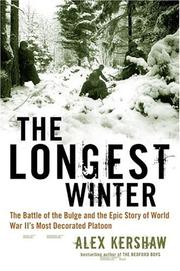
Battle: The Story of the Bulge with the caveat above. The Bitter Woods was written by Eisenhower's son with unusual access to the senior commanders and is sympathetic to the SHAEF view, which is worth knowing when it assigns responsibility. The Longest Winter is popular history built around one intelligence platoon; it reads well and its sourcing is thin next to MacDonald or Caddick-Adams.
The view from the ground
Company Commander is MacDonald's own memoir of leading an infantry company, and reading it alongside A Time for Trumpets is the most instructive pairing on this list — the same author on the same war at two completely different altitudes. Alamo in the Ardennes covers the delaying actions on the approaches to Bastogne that bought the time everything else depended on. Band of Brothers, with the caveat above.
The German side and the crimes
Hitler's Ardennes offensive collects German accounts of the planning and execution — genuinely useful, and precisely the material to read critically rather than at face value. Hitler's last gamble is operational analysis with a quantitative bent, more interested in force ratios and rates of advance than in narrative.
Fatal crossroads is a forensic reconstruction of the Malmedy massacre, and it is careful about what the evidence supports, which matters on a subject where the postwar trial was itself contested. The Guns at Last Light closes the path by putting the Ardennes back inside the whole north-west Europe campaign.
Follow the path in order, and for each book keep asking who was in a position to know, and what they had at stake when they said it.
Follow the full ordered path here: Battle of the Bulge Books, in Reading Order.
Ready to learn something deeply?
Build a reading path — free