Most readers arrive at Midway already knowing the story. Four Japanese carriers are caught with their flight decks crowded, aircraft fuelled and armed and minutes from launching, when American dive bombers arrive out of the sun and the Pacific war turns in five minutes. It is a superb piece of narrative. It is also, on the evidence, not what happened.
That version traces to Midway, the battle that doomed Japan, the 1955 account credited to Mitsuo Fuchida, and it entered the English-language literature almost unexamined because for decades there was very little else in English from the Japanese side. In 2005 Shattered sword went back to Japanese primary records — action reports, air group records, the mechanics of Japanese carrier flight-deck operations — and showed that the carriers could not have been in the described condition at the described time. Japanese doctrine did not spot a full strike on deck the way the story requires.
This is why the reading order matters unusually much here. Start with an older account and you will spend the modern one unlearning things. Start modern and the older books become readable as what they are: excellent narratives built on the evidence then available.
Start here
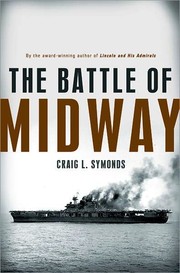
The Battle of Midway is the best current single volume — written after the revision, clear on the operational picture, and honest about what is known versus inferred. Read it first.
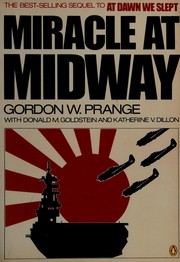
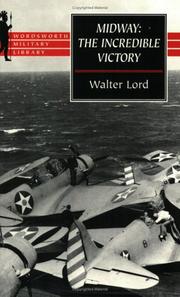
Then the older standards, in full knowledge of their limits. Miracle at Midway is thorough, deeply researched on the American side, and still valuable; its Japanese material rests substantially on the same postwar interviews that the revision calls into question. Incredible Victory, from 1967, is the best-told of the traditional narratives, and it is dated in exactly the same way.
The revision itself
Shattered sword is the book that changed the field, and it is not a dry corrective — it is a long, absorbing reconstruction of the battle from the Japanese carrier decks upward, including damage control, doctrine and the actual sequence of rearming decisions. Read it immediately after Symonds.
Then read Midway, the battle that doomed Japan as a primary source rather than as an account of the battle: it is evidence of how the Japanese navy explained its defeat to itself and to American readers afterwards. Fuchida did not fly on the day, and his later claims have been shown unreliable on several points, which is itself worth understanding.
The intelligence story
And I Was There is Layton's account of the codebreaking that put the American carriers in position, written by the officer between the cryptanalysts and Nimitz. It is also a partisan intervention in a long bureaucratic quarrel over credit for the Rochefort unit, so read it knowing there is an argument being prosecuted. Combined Fleet Decoded supplies the wider signals-intelligence picture across the Pacific war and puts Midway in proportion.
The American side in depth
Black Shoe Carrier Admiral is a sustained rehabilitation of Frank Jack Fletcher, whose reputation earlier accounts damaged; it is argued, and convincingly so, but it is an argument. The first team covers the carrier fighter squadrons in extraordinary tactical detail. A dawn like thunder follows Torpedo Squadron Eight, and The Unknown Battle of Midway is Kernan's short, angry account of how the torpedo squadrons were sent in and destroyed.
Wider context
Pacific Crucible places Midway inside the first six months of the Pacific war, and Eagle against the sun remains the standard one-volume history of the whole conflict. Both are good closing books once the battle itself is settled in your head.
Work the path in order and you will end up able to say not just what happened at Midway, but how we know it.
Follow the full ordered path here: The Battle of Midway: Best Books to Read, in Order.