Check the copyright page before you read a word. On this subject, publication date does more work than author or nationality, because the events kept producing new endings and each ending invalidated part of the previous account.
A book finished in 2012 was written by someone who had watched Ben Ali flee, Mubarak resign and Gaddafi fall in the space of a year, and who did not yet know about the Egyptian coup of 2013, the scale of the Syrian war, Libya's collapse into militia rule, or Islamic State. A book finished in 2016 knows all of that and is, more often than not, explicitly revising the earlier consensus. Neither is naive and neither is wiser; they are arguments made from different evidence. The cleanest way to see it is that Marc Lynch wrote both The Arab Uprising in 2012 and The New Arab Wars in 2016, and the two books do not agree.
The first drafts, written in the optimism
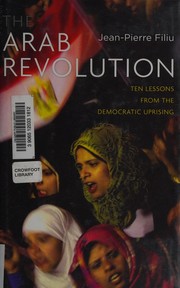
The Arab Uprising is the best of the early regional accounts — Lynch on how protest diffused across borders through satellite television and a shared pan-Arab public sphere, written while the outcome still looked open. The Arab revolution appeared even earlier, in 2011, and is best read as a snapshot of what informed observers genuinely believed in the first months rather than as analysis that has held up.
Revolution 2.0 is the memoir of the Google executive who ran the Facebook page that helped mobilise Tahrir Square, published in 2012. It is the social-media-revolution thesis in its purest and most first-hand form. That thesis has been criticised hard since — for overweighting the tools and underweighting labour organising, football ultras and years of prior protest — and the book is more interesting read with that criticism in mind than without it.
Egypt, where the whole arc is visible
Egypt on the brink was written before the uprising and explains the Mubarak state that everything else reacts against. The struggle for Egypt traces the longer political history up to Tahrir. Then the reckonings: Once upon a revolution follows individual activists from 2011 through the failure of the revolution they made, and Into the Hands of the Soldiers is the New York Times bureau chief's account carried through the 2013 coup and the killings at Rabaa. Read them in that order and you get the change in mood without anyone having to explain it.
Where it went differently
Tunisia asks why the one relative success was Tunisia and answers with a long argument about education, labour institutions and religious reform. Burning Country gives the Syrian revolution in Syrian voices, sympathetic to the opposition and open about it. Assad or We Burn the Country works the other side of the same war, reconstructing the regime from the inside through a defector's account. The Morning They Came For Us: Dispatches from Syria is war reportage from someone who kept going back.
The retrospective arguments
The New Arab Wars is Lynch's own revision — regional proxy conflict rather than democratic transition. A rage for order is the most literary of the reckonings, built around individual lives across five countries. Arab Winter argues that the uprisings should be understood as a genuine exercise of political agency by Arab publics even where they failed, which is a real and contested position rather than a consolation.
If you want the broader comparative frame, the Prague Spring hub covers a different failed opening with some instructive parallels. Otherwise take this path in order, and keep the publication dates in view the whole way down.
Follow the full ordered path here: Reading the Arab Spring: The Best Books, in Order.
Ready to learn something deeply?
Build a reading path — free