Start with Guards! Guards!. It is the eighth Discworld novel, it is the first City Watch book, and it is where Pratchett stopped writing parody and started writing novels. A drunk captain, a dwarf who is six feet tall, a secret society summoning a dragon, and a city that runs on organised crime because the alternative is disorganised crime. It is funny throughout and it has a plot that would work without the jokes, which is not true of the early books.
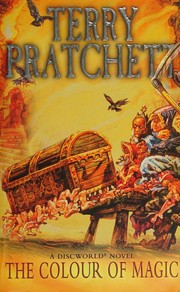
Do not start with The Colour of Magic. This is the single most common Discworld mistake and it costs the series readers constantly. It is a 1983 parody of the fantasy paperbacks of the previous decade, it is structured as four loosely joined episodes rather than a novel, and its protagonist Rincewind is a coward who runs away from things for 200 pages. Pratchett had not found the voice yet. People who start there frequently conclude Discworld is not for them, and they are drawing a fair conclusion from unfair evidence.
Read by sub-series, not by publication date
Discworld is 41 novels, and it is not one series — it is roughly five, sharing a world. This is the real ordering question, and the answer is: read within a sub-series in order, and choose your sub-series by taste.
The City Watch — Guards! Guards!, then Men at Arms, then Night Watch. Police procedurals about a city becoming a modern one. The strongest run in Discworld and the one most likely to convert a sceptic.
Death — Mort, then Hogfather. Death is an anthropomorphic personification with a fondness for cats and no grasp of metaphor. Mort is the best possible alternative starting point if the Watch does not appeal.
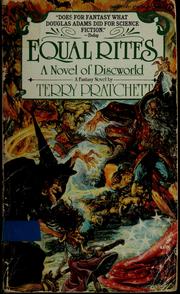
The Witches — Equal Rites, then Wyrd Sisters. A caveat: Equal Rites is technically first, but Granny Weatherwax is not yet the character she becomes, and the book is closer in tone to the early parodies. Start the witches with Wyrd Sisters, which is Macbeth with three witches who are much more competent than the plot requires.
Standalones — Small Gods is the best of these and probably the best Discworld novel overall. It requires no prior reading whatsoever, which makes it a legitimate third option for a first book.
The publication-order argument
Some readers insist on publication order, and the case is not stupid: the world develops continuously, technology and institutions advance across the whole series, and characters from one sub-series appear in another. Reading in order means never meeting a character out of sequence.
The counter-argument, which I think wins, is that publication order forces a new reader through five weak books before reaching a good one. The compromise most people arrive at is the one recommended here: read by sub-series for your first eight or ten books, then switch to publication order once you are invested enough to enjoy the world-building for its own sake.
Honest warnings
The first five novels — The Colour of Magic and the four that follow — are the weakest. They are worth reading eventually, as a record of a writer working out what he was doing. They are a bad start.
Night Watch is the peak of the series and it does not stand alone. It depends on knowing Vimes from Guards! Guards! and Men at Arms, because its whole engine is watching a man meet his younger self. Do not read it early.
The last few novels are widely felt to be weaker than the run that precedes them, and readers generally treat the series as effectively complete before them.
The books outside Discworld
Good Omens, written with Neil Gaiman, is not Discworld at all — an angel, a demon and a misplaced Antichrist in England. It is a fine standalone and a decent way to test whether the humour works on you.
Nation is also not Discworld: a serious young-adult novel about a tsunami, and one of the best things he wrote.
The Amazing Maurice and His Educated Rodents is Discworld written for younger readers, and it is a genuine entry point — sharp, dark, and short. Then browse more reading paths.
Follow the full ordered path here: Terry Pratchett Reading Order: Where to Start.