Taxidermy is far more technical than it looks. It combines careful anatomy, skin preservation chemistry, sculpture, and painting, and each animal type demands its own methods. Beginners who dive into an ambitious mount without mastering skinning, fleshing, and tanning end up with slipping hides and lifeless results. The craft has to be learned in stages, and species specialization comes last, not first.
A good reading order starts with the fundamentals and preservation, then moves species by species as your skills grow, and finishes with the artistic finishing and habitat work that separate a specimen from a display. Each book builds on the one before.
Learn the fundamentals
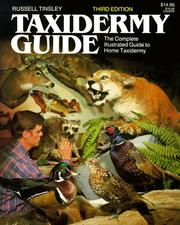
Start with Taxidermy Guide by Russell Tinsley, a broad introduction to the core skills and mindset of the craft, and pair it with Home book of taxidermy and tanning by Gerald J. Grantz, a foundational reference on the preservation and tanning that underpin every mount. Get these right and everything downstream becomes possible. For an accessible on-ramp to the most common project, Deer & Deer Hunting's Guide to Taxidermy by Daniel Schmidt connects the fundamentals to real game work.
Specialize by species
Now go deep, one animal type at a time. The Breakthrough Mammal Taxidermy Manual by Larry Blomquist is the detailed reference for mammal work, Breakthrough Bird Taxidermy by Todd Buchanan covers the delicate demands of feathers and wings, and Breakthrough Fish Taxidermy Manual by Tom Sexton handles the unique challenges of preserving and painting fish. Each specialty has its own tricks, and these manuals are the standards.
Finish like an artist
Finally, master presentation. Animal Painting and Anatomy by W. Frank Calderon trains the anatomical eye and color work that make a mount look alive. The Breakthrough Whitetail Deer Taxidermy Manual by Bill Yox perfects the most popular North American mount, and Habitat and Exhibit Techniques by John Janelli teaches the bases and settings that turn a specimen into a scene.
Work these in order and taxidermy becomes a disciplined craft rather than a gamble. Follow the full path from your first careful skinning to lifelike, gallery-worthy mounts.
Follow the full reading path →
Ready to learn something deeply?
Build a reading path — free