Fused glass rewards precision and punishes improvisation. Use incompatible glass or a bad firing schedule and pieces crack, devitrify, or shatter, often after hours in the kiln. The craft blends art and applied science, and the science, compatibility and controlled heat, is exactly what beginners tend to skip. Learn it in order and your success rate climbs fast.
A good reading order starts with the fundamentals and a broader context, moves to the crucial firing science, and then branches into specialties and advanced techniques once your basics are solid.
Learn the fundamentals
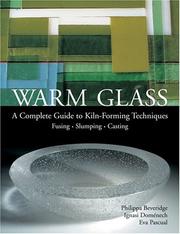
Start with The Art of Fused Glass by Michael Aquino, an accessible introduction to materials, tools, and first projects, and pair it with Fused Glass Handbook by Brad Walker, a clear, practical guide that covers compatibility and process step by step. For context on where fusing sits within the wider craft, The Complete Guide to Stained Glass by Anita and Seymour Isenberg and Warm glass by Philippa Beveridge broaden your understanding of working with glass in the kiln.
Master firing and the kiln
This is the make-or-break stage. Firing schedules for glass by Graham Stone is the reference that demystifies ramp rates, soaks, and annealing, the numbers that determine whether a piece survives. Keep The Kiln Companion by Charles Parriott alongside it for practical kiln management. Master this material and most beginner failures simply disappear.
Branch into specialties
Finally, specialize. Fused Glass Jewelry by Luann Udell applies your skills to small, wearable pieces, and Creative Kiln-Formed Glass by Helga Watkins-Baker expands your design range. For advanced work, Pâte de Verre and Kiln Casting of Glass by Katherine Vogel opens the demanding casting techniques, while Glass by Alan Macfarlane steps back to the material's remarkable history and place in human life.
Work these in order and fused glass shifts from hopeful to reliable. Follow the full path from your first tack-fused tile to cast and kiln-formed work of real ambition.
Follow the full reading path →
Ready to learn something deeply?
Build a reading path — free