Tango is two subjects with two literatures that only partly overlap: a body of recorded music made mostly between 1935 and 1955 by the orquestas típicas of Buenos Aires, and a social dance with its own codes, scenes and history. A book that serves one often serves the other badly, so every entry below says which it is for.
The other thing to say at the outset is that reading about a social dance is not learning it. Nothing here substitutes for a class, a practica, and several years of dancing with other people. What the reading does is tell you what you are listening to and what the codes around you mean, which is the part teachers rarely have time for.
Getting inside it
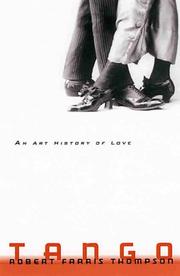
Tango — the one by Robert Farris Thompson, the Yale art historian — argues for a much larger African, Andalusian and criollo contribution to tango's formation than the standard Argentine story allows. Read the argument as a strong case rather than a settled one. Our catalogue displays it under the bare title, and there is a second book on this path also filed as Tango, so buy by author.
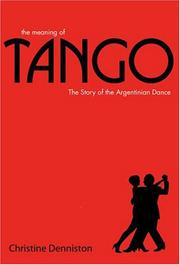
The Meaning of Tango is the dance book of the opening stage. Christine Denniston is a dancer and teacher, and this is the clearest available explanation of how the dance actually worked in the golden age — the embrace, the improvisation, why it is led rather than choreographed.
Twelve minutes of love is neither music nor method: Kapka Kassabova's memoir of ten years chasing tango across Buenos Aires, Auckland and Europe, and honest about the obsession and the loneliness of milonga culture.
Origins, and the first global craze
Tango by Jo Baim is the careful account of the dance's spread into Europe and North America around 1912, and of what it was changed into on the way, built from period dance manuals and sheet music. It is the best single source on that craze, and the split between what left the Río de la Plata and the sanitised ballroom form that came back explains most later arguments about authenticity.
Long after midnight at the Niño Bien is Brian Winter learning tango in Buenos Aires, and doubles as a history of Argentina's twentieth century — Perón, the dictatorship, the 2001 collapse — told through the music. Read it for why tango's fortunes track the country's.
The music
This stage is for listeners, and none of it works unless you play the recordings while you read.
Tango stories is the best English-language introduction to the music for dancers: what to listen for, how the orquestas típicas differ, how the recordings are organised. Michael Lavocah's Tango Masters then goes recording by recording through individual bandleaders' careers — a study rather than a survey, and worth buying only for the orchestras you already want to know better.
Le grand tango is Azzi and Collier's biography of Astor Piazzolla, the standard life in English and built on extensive interviews. Worth knowing that our record spells María Susana Azzi three different ways in its own author list, so search on Collier if the accented forms give you trouble. It bridges into the next stage: Piazzolla comes out of the golden-age orchestras before he breaks with them.
Piazzolla, and after
Astor Piazzolla is Piazzolla in his own voice, from conversations Natalio Gorin recorded shortly before his death — on Gardel, on Nadia Boulanger, on his contempt for the traditionalists who called his nuevo tango undanceable. Read it directly after the biography, as the subject answering back.
The tango machine is Morgan James Luker's ethnography of tango in contemporary Buenos Aires as cultural policy, heritage and export product: funding bodies, festivals, the economics of a revival. The most current book here and the least romantic.
The dance, and the arguments about it
Gotta tango is an instruction manual — the walk, the embrace, the milonga codes, by teachers who dance it. It is on the path so the dance is represented by an actual method rather than only by writing about the dance. It is still not a substitute for a teacher.
Tango nuevo is Carolyn Merritt's ethnography of the nuevo movement and of the split between open-embrace and close-embrace dancers, and the best account of what the contemporary community actually argues about.
Tango and the Political Economy of Passion is the major critical study: Marta Savigliano's argument that tango's passion was itself a commodity produced for European consumption, and that exoticism is built into the form. Difficult and deliberately unsettling, and best read against the pleasure the rest of the path describes. Paper Tangos closes — Julie Taylor's fragmentary book on tango, memory and political violence in Argentina, written partly as autobiography, with a flipbook of a dancing figure in the margins.
One gap worth stating plainly: a good deal of the important writing on tango exists only in Spanish, and this list is what is available and verifiable in English. If Latin dance more broadly is what you are after, /subjects/salsa-and-latin-dance-music is the neighbouring hub. The stage goals, and what to listen to alongside each book, are at /paths/pt_ai_tango-music-and-dance.