Books about surgery split into three groups that answer completely different questions, and mixing them is why people find the subject harder to read into than it is. There are working memoirs, written by surgeons about fallibility and judgement. There are histories, explaining how an operation went from near-certain death to routine in about a century. And there are the reference texts a trainee actually uses, which are not read so much as consulted. The order below moves through them in that sequence.
One thing to say plainly at the start: none of this substitutes for training, and none of it is medical advice. The memoirs are unusually honest about error, which makes them valuable to a general reader and useless as a guide to any individual case. Surgical competence comes from supervised practice and credentials, not from reading.
Start inside the operating room
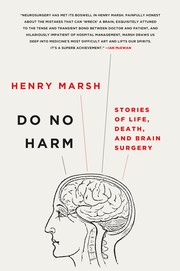
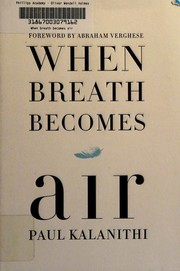
Complications by Atul Gawande is the right first book. It is a set of essays about uncertainty — what surgeons do when the evidence runs out, how bad doctors are handled, why a routine case goes wrong — and it establishes the honest register the rest of the list works in. Do No Harm by Henry Marsh is the British counterpart and the more emotionally exposed of the two: a neurosurgeon cataloguing the operations that went badly and the patients he thinks about years later. When Breath Becomes Air by Paul Kalanithi inverts the perspective entirely. Kalanithi was a neurosurgical resident diagnosed with terminal lung cancer at thirty-six, and the book was finished as he died. It is short and it is not a comfortable read.
How surgery became survivable
The butchering art by Lindsey Fitzharris covers Joseph Lister and the arrival of antisepsis, which is the single change that turned surgery from a last resort into a treatment. The Knife Man by Wendy Moore goes back further, to John Hunter, the eighteenth-century anatomist who put surgery on an experimental footing and whose methods included grave-robbing on an industrial scale. Under the knife by Arnold van de Laar structures the same history as twenty-eight operations, from Louis XIV's fistula onward, and is the most approachable of the three if you want one.
The culture, and its failures
The Making of a Surgeon is William Nolen's 1970 account of his residency at Bellevue, and it is a period document — the training culture it describes, including the hours and the attitudes toward patients and toward women in medicine, has been substantially reformed. Read it for what surgical formation used to be, not as a picture of current practice. Forgive and Remember by Charles Bosk is the sociologist's version: a study of how surgical teams distinguish forgivable technical errors from unforgivable moral ones, and it remains the sharpest thing written about professional self-policing.
Better and The Checklist Manifesto, both Gawande, are the systems books — the argument that most avoidable harm comes from process failure rather than skill failure, and that a nineteen-item checklist cut surgical mortality measurably. They overlap; if you read only one, read The Checklist Manifesto for the argument and Better for the range.
The reference shelf
Atlas of human anatomy by Frank Netter and Schwartz's principles of surgery sit at the end for a reason: they are not read through. Netter is the standard illustrated anatomy atlas and is genuinely beautiful; Schwartz is the American surgical textbook, runs to well over two thousand pages, and is priced accordingly. Both belong on this path because a serious reader eventually wants to look something up, and neither belongs at the start.
Follow the full path in order if you want the sequence as designed.
Follow the full ordered path here: The Best Books on Surgery and the Surgical Life to Read First.
Ready to learn something deeply?
Build a reading path — free