Studio lighting is the deepest lever a photographer has, and it rewards a specific reading order. Learn how light physically behaves first, and every lighting setup afterward becomes logical rather than magical. Start by memorizing gear or presets and you'll be forever guessing. Understanding the principles is what lets you walk into any room and light it.
This path begins with the science, moves into practical flash technique, then specializes into portraits and creative control.
Understand how light behaves
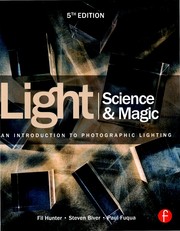
There's really only one place to start: Light-- science and magic by Fil Hunter. It explains reflection, the family of angles, and the physics that govern every photograph — read it and lighting stops being trial and error. This book alone will change how you see.
Learn to use flash
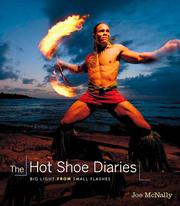
With the principles in hand, Speedliter's Handbook by Syl Arena teaches small-flash technique in depth, and Studio Lighting Unplugged by Rod Ashford focuses on working off the mains. The hot shoe diaries by Joe McNally shows a master problem-solving real assignments with portable flash — inspiring and instructive at once.
Specialize in portraits
Portrait Lighting for Digital Photographers by Stephen Dantzig applies everything to the human face, the studio's most common and demanding subject. Direction and Quality of Light by Neil van Niekerk sharpens your control over the two qualities that matter most in a portrait.
Add craft and vision
Painting with Light by John Hartman and Studio anywhere by Nick Fancher push toward creative, resourceful lighting in any space, proving you don't need a big studio to make striking images. Close with Within the frame by David DuChemin, which reconnects technique to intention — light in service of a photograph worth making.
Follow the full path and you'll command light instead of chasing it.
Follow the full reading path →
Ready to learn something deeply?
Build a reading path — free