Street photography demands almost nothing of your gear and almost everything of your eye. The technical part is small — the hard part is learning to see moments, anticipate them, and have the nerve to raise the camera. That is why a reading path here is not a manual so much as an education of perception: a little practical craft, deep immersion in the masters' work, and the theory that explains what you are actually doing when you photograph strangers on a street.
Best Street Photography Books, in Reading Order
July 14, 2026 · 2 min read
Start: craft and how to see
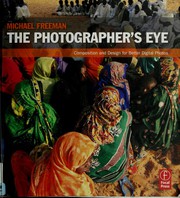
Begin with Street Photography Now by Sophie Howarth, a survey of contemporary practitioners that shows the breadth of the genre today. Then sharpen your composition with The Photographer's Eye by Michael Freeman, the best practical book on why images work — balance, framing, and visual weight — which applies directly to the split-second decisions street shooting requires. For working method and mindset, Street Photography by Valérie Jardin is a practical, encouraging guide from a dedicated practitioner.
Study the masters
You learn this genre by looking. Magnum Contact Sheets by Kristen Lubben is a rare gift — it shows the frames surrounding the famous shots, revealing how the masters worked toward the decisive image. Then read the canon itself: The Decisive Moment by Henri Cartier-Bresson defined the aesthetic; American Photographs by Walker Evans set the documentary standard; The Americans by Robert Frank broke the rules and remade the form; and Bystander by Colin Westerbeck is the essential history that ties the whole tradition together. Vivian Maier rounds it out with the astonishing, long-hidden work of a self-taught street photographer.
Theory: what you are really doing
Finish with the thinkers. On Photography by Susan Sontag interrogates what it means to photograph people and the world — an ethical and philosophical grounding every serious street photographer should wrestle with — and Ways of Seeing by John Berger changes how you read images altogether. These do not teach settings; they train the mind behind the camera.
Read in this order, craft, immersion, and theory reinforce one another, and your eye gets faster and braver on the street.
Shoot constantly, review honestly
Street photography is a numbers game played with your feet. The masters in Magnum contact sheets shot roll after roll to land a single frame, and your ratio will be worse before it gets better — so the practice is simply to go out often and shoot a lot. Work one small area slowly rather than covering ground; the best pictures usually come from waiting for life to arrange itself in front of a scene you have already composed, a patience The Decisive Moment embodies. Learn your camera cold so settings never cost you a moment, then forget them. Afterward, edit ruthlessly and study your own contact sheets for what almost worked, letting the composition principles from The Photographer's Eye guide the critique. Keep looking at the greats between outings; immersing yourself in The Americans and American photographs quietly recalibrates your sense of what a photograph on the street can be. Follow the full street photography path for each stage's study plan, or explore related photography paths.
FAQ
- Should I read the photo-book monographs or just how-to guides?
- Both, in order. Craft books like The Photographer's Eye build technique, but immersion in The Decisive Moment, The Americans, and Magnum Contact Sheets trains the eye that street photography actually depends on.
- Is street photography legal and ethical?
- Laws vary by country, and the ethics are genuinely debated — which is why On Photography and Ways of Seeing are in the path. Know your local rules and photograph people with respect.
Get the books
- 1Street photography nowAmazon ↗Sophie Howarth
- 2The Photographer's EyeAmazon ↗Michael Freeman
- 3Magnum contact sheetsAmazon ↗Kristen Lubben
- 4Street PhotographyAmazon ↗Valérie Jardin
- 5The decisive momentAmazon ↗Henri Cartier-Bresson
- 6American photographsAmazon ↗Walker Evans
As an Amazon Associate we earn from qualifying purchases. Some book links are affiliate links; you pay the same price and we may earn a small commission.
Follow the full reading path


Street photography: books to see and shoot the everyday
Beginner11books53 hrs5 stages
@craftsherpa♥ 0
Ready to learn something deeply?
Build a reading path — free