Most small businesses that fail do so from a handful of avoidable mistakes: building something nobody wants, running out of cash, or the owner drowning in the day-to-day. The good news is that these mistakes are well understood, and there is a reading order that addresses them in the sequence a founder actually encounters them, from mindset, to validation, to marketing, to the money and legal realities of survival.
These books complement, not replace, professional advice from an accountant and a lawyer for your specific situation. Read in order, they materially improve your odds through the fragile first year.
Get the founder mindset right
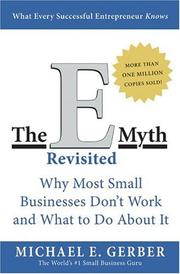
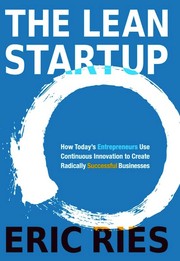
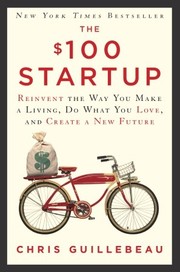
Start with Michael Gerber's The E-myth revisited, which explains why so many technically skilled people fail as owners, they work in the business instead of on it, and how to build systems instead. Then adopt a testing mindset with Eric Ries's The Lean Startup, whose build-measure-learn approach helps you validate demand before you spend your savings. Chris Guillebeau's The $100 startup proves how lean a viable business can start, deflating the excuse that you need lots of capital.
Plan, market, and find customers
Now turn an idea into something people buy. Rhonda Abrams's Business Plan in a Day gives you a fast, practical way to think through the whole business. For customers, Seth Godin's This is marketing reframes marketing as serving a specific audience, John Jantsch's Duct Tape Marketing provides a concrete small-business system, and Donald Miller's Building A StoryBrand teaches you to describe what you do so clearly that customers actually respond.
Handle money, law, and survival
Finally, the unglamorous parts that decide who survives. Mike Michalowicz's Profit First offers a simple cash-management system that keeps a small business solvent, and Fred Steingold's Legal Guide for Starting & Running a Small Business covers the legal basics, entities, contracts, and compliance, in plain language. Ben Horowitz's The Hard Thing About Hard Things prepares you for the brutal decisions leadership brings, and Gino Wickman's Traction gives you an operating system to run and grow the company once it is real.
Follow the full reading path to move from an idea and a hope to a business with a validated market, managed cash, and a fighting chance at year two.
Follow the full reading path →
Ready to learn something deeply?
Build a reading path — free