The costliest negotiation mistake is not a weak counteroffer; it is never negotiating at all. Studies consistently show that people who simply ask earn substantially more over a career than equally qualified people who accept the first number. So salary negotiation rewards a reading order that first dismantles the fear of asking, then equips you with tactics, and finally grounds you in the principles that make deals durable rather than resentful.
These books complement your own research on market rates and any advice from mentors in your field. Read in order, they turn an uncomfortable conversation into a repeatable skill.
Overcome the fear and learn to ask
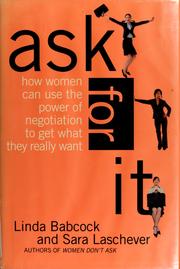
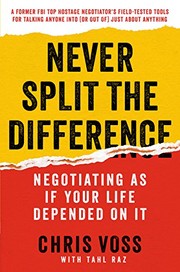
Start with Linda Babcock's Ask for it, which addresses the psychological and social barriers, especially well-documented for women, that stop people from negotiating in the first place. Simply internalizing that asking is expected, not greedy, is worth more than any clever tactic. Then move to the most influential modern tactical book, Chris Voss's Never Split the Difference, whose calibrated questions and emotional-intelligence techniques translate directly to compensation talks.
Get tactical about compensation
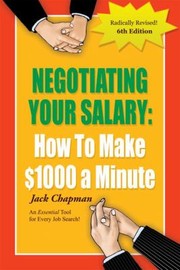
Now go specific. Jack Chapman's Negotiating Your Salary is the focused classic on the exact moves of a salary conversation, including the value of silence and never naming a number first. Roger Dawson's Secrets of power salary negotiating adds a broad arsenal of persuasion tactics, and Josh Doody's Fearless Salary Negotiation gives a clear, modern playbook for handling job offers step by step.
Ground yourself in negotiation principles
Finally, build a durable foundation. Stuart Diamond's Getting More reframes negotiation around perceptions, relationships, and creative value rather than pure leverage. G. Richard Shell's Bargaining for advantage helps you negotiate in a style that fits your personality, and Roger Fisher's Getting to yes is the seminal text on principled, interest-based negotiation that keeps a deal, and a working relationship, intact.
Follow the full reading path to move from accepting the first offer to negotiating confidently for what you are worth.
Follow the full reading path →
Ready to learn something deeply?
Build a reading path — free