Stamp collecting looks casual until you realize how much a tiny difference — a perforation count, a watermark, a shade — can change a stamp's identity and value. That is the pleasure and the challenge of philately. Beginners who skip the fundamentals miss most of what makes the hobby rich.
The path below starts with getting a collection going, moves into serious identification and cataloging, and ends in the specialized knowledge of forgeries and rare-stamp investing. Each book deepens your eye for detail.
Start collecting
Begin with Everybody's Guide to Stamp Collecting, a classic, welcoming introduction to the hobby's tools and habits. Stamp collecting as a hobby by Burton Hobson and Philately for the Beginner both reinforce the basics — mounting, storing, and organizing — so you build good habits from the first album.
Learn to identify and catalog
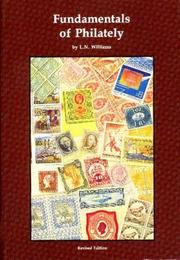
Depth comes from reference works. The Stamp Collector's Bible by Stephen Datz is a broad, practical guide to the whole hobby, and The World Encyclopedia of Stamps & Stamp Collecting is a rich visual reference. Fundamentals of philately is the serious student's deep dive into how stamps are made and identified, while a catalog like Scott 2016 standard postage stamp catalogue is the working tool for cataloging and valuing what you own. The Worldwatch Guide to Stamps and Stamp Collecting adds further grounding.
Spot fakes and understand value
As stakes rise, so does the need for caution. Forged Stamps of All Countries trains you to recognize the fakes and repairs that fool the unwary, and The Rare Stamp Investor's Handbook by Stephen Datz explains how condition, rarity, and demand set prices in the upper reaches of the hobby.
Work these in order and philately grows from a casual album into a knowledgeable pursuit. Follow the full path from your first stamp to expert identification.
Follow the full reading path →
Ready to learn something deeply?
Build a reading path — free