The most common model railroading mistake is starting to build before you have planned, then discovering the track will not do what you want. A layout combines carpentry, electronics, and scenery, and each depends on decisions you make early. Reading in the right order saves you from expensive rework.
The path below moves from getting started, through the crucial planning and building stages, into wiring and control, and finally to the scenery and operations that bring a layout to life. Each book sets up the next skill you will need.
Get started and plan
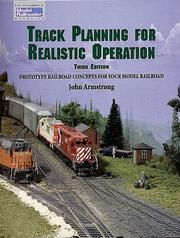
Begin with The Model Railroader's Guide to Getting Started, which orients a newcomer to scales, tools, and first steps. 101 Projects for Your Model Railroad gives you approachable early wins that build skill. Then plan seriously: Track planning for realistic operation is the classic on designing track that actually works, and Model Railroad Planning offers layout ideas and design principles to steal from.
Build the bones and wire it up
With a plan, build the structure. How to build model railroad benchwork teaches the sturdy framework everything rests on. Then bring it to life electrically: Wiring Your Model Railroad covers the fundamentals, and DCC Projects & Applications takes you into digital command control for running multiple trains realistically.
Add scenery and operate
Now the artistry. The Model Railroader's Guide to Scenery and Scenery for model railroads teach terrain, ground cover, and structures that make a layout believable. Realistic Model Railroad Building Blocks by Tony Koester helps you design a layout around a purpose, and his Realistic model railroad operation shows how to run it like a working railroad rather than a train set in a loop.
Work these in order and your railroad grows from a plan into a living miniature world. Follow the full path from first track to prototypical operation.
Follow the full reading path →
Ready to learn something deeply?
Build a reading path — free