The frustration that ends many rockhounding hobbies early is picking up interesting stones and having no idea what they are. Identification is the foundation; without it, a collection is just a bucket of rocks. Build that skill first and everything else — knowing where to hunt, what is valuable — falls into place.
The path below starts with identification, moves into field guides for finding specimens, and ends in the lapidary arts of cutting and polishing. Each book equips you for the next stage of the hobby.
Learn to identify
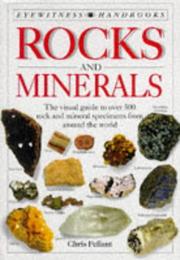
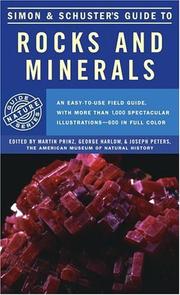
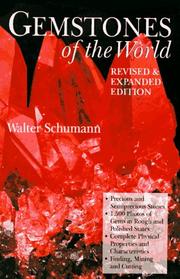
Start with Rocks and Minerals (Smithsonian Handbook), a photo-rich field reference that teaches you to recognize specimens by their properties. Simon and Schuster's Guide to rocks and minerals is another excellent identification companion, and Gemstones of the World by Walter Schumann is the standard reference for gem-quality material. Together they train your eye.
Get out in the field
With identification underway, learn where to look. The Complete Idiot's Guide to Rock Collecting is a friendly on-ramp to the hobby's practices. Rockhounding: A Guide to Finding Gems and Minerals in the Field teaches field technique, and location guides like Gem Trails of the Western United States and Rockhounding State by State point you to real, productive sites. The rockhound's handbook rounds out your practical toolkit.
Cut and polish your finds
The final craft is turning rough stones into finished gems. Gemstone Tumbling, Cutting, Drilling & Cabbing introduces the lapidary skills — tumbling, cabbing, and drilling — that transform a field find into a display piece or a piece of jewelry.
Work these in order and rockhounding grows from picking up pretty rocks into a knowledgeable, hands-on pursuit. Follow the full path from identification to a polished stone.
Follow the full reading path →
Ready to learn something deeply?
Build a reading path — free