Almost everyone uses regular expressions by copying and tweaking until something works, and that is exactly the habit this reading order is designed to break. Regex has a real underlying model, and once you understand how the engine actually matches, you stop guessing. The trick is to start gently, see it in real languages, and only then go deep.
This path builds from a friendly introduction through practical patterns and language-specific usage to a genuine mastery of the engine.
Start gently, then get practical
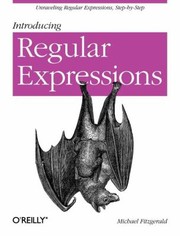
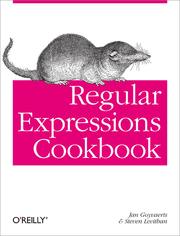
Begin with Introducing Regular Expressions, a clear, unhurried introduction that builds the core concepts without overwhelming you. Then keep Regular Expressions Cookbook on your desk; it gives ready-made, explained patterns for common tasks across many languages, so you learn by adapting solid examples rather than fighting from scratch.
See regex in real languages
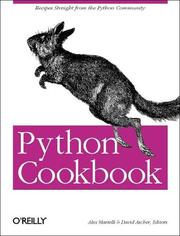
Regex lives inside the languages you use, so Python Cookbook shows idiomatic text-processing in Python, and Fluent Python deepens that fluency with the language's string and pattern facilities in context. On the web side, JavaScript covers the language's own regex support thoroughly, and You Don't Know JS: Types & Grammar sharpens your grasp of how JavaScript handles the strings you are matching against. Seeing the same ideas across languages cements them.
Master the engine
Finish with the two books that make you genuinely expert. Mastering Regular Expressions is the definitive text on how regex engines work, why some patterns are catastrophically slow, and how to write efficient expressions. The Art of Problem Solving with Regular Expressions then pushes you to apply that understanding to harder, real problems.
Read in this order and regex stops being trial-and-error and becomes a precise, predictable tool. Follow the full path to keep the sequence.
Follow the full reading path →
Ready to learn something deeply?
Build a reading path — free