Financial statements look like tables of numbers but are really a narrative — and sometimes a carefully edited one. Learning to read them means understanding how the three statements connect, how to analyze what they reveal, and how to detect when they have been massaged to mislead. Skip the fundamentals and ratios are meaningless; skip the skeptical reading and you will trust numbers that were designed to deceive.
The order that works builds the basics, moves to serious analysis, then teaches the forensic eye that spots manipulation.
The basics
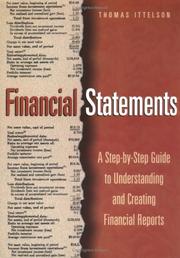
Start with how the statements work. Financial statements by Thomas Ittelson is the clearest possible introduction, walking a simple company through every transaction so you see exactly how the income statement, balance sheet, and cash flow statement link together. The interpretation of financial statements by Benjamin Graham is the timeless short classic from the father of value investing, teaching what the numbers actually mean for a business. Together they give you both the mechanics and the judgment to start reading real reports.
Deeper analysis
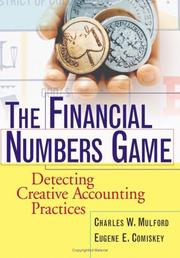
Now analyze rather than just read. The financial numbers game by Charles Mulford examines how companies use accounting choices to shape their reported results — the crucial idea that the same reality can be presented many ways. Cash flow and security analysis by Kenneth Hackel argues that cash flow, harder to fake than earnings, is the truest measure of health. Financial statement analysis by Martin Fridson is the comprehensive, practitioner-focused text on turning statements into investment judgments.
Spotting the red flags
The final arc is skepticism. Quality of Earnings by Thornton O'glove teaches how to gauge whether reported earnings are real and sustainable. Financial Shenanigans by Howard Schilit is the definitive catalog of the tricks companies use to inflate results, with real case studies you will recognize afterward. The art of short selling by Kathryn Staley shows how skeptics find overvalued or fraudulent companies by reading the fine print. Close with Investment Valuation by Aswath Damodaran, the authoritative bridge from reading statements to estimating what a business is actually worth.
These books are educational and complement, not replace, professional accounting and financial advice. Read in this order and financial statements become a story you can read critically. Follow the full path from the basics to detecting the red flags that fool most investors.
Follow the full reading path →
Ready to learn something deeply?
Build a reading path — free