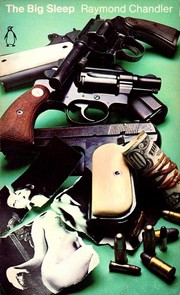
Start with The Big Sleep. It is the first Marlowe novel and it is where the voice arrives fully formed — the similes, the tired decency, the sense that the detective is the only person in Los Angeles who is not for sale. The plot is famously incoherent, and it does not matter.
The alternative case is for Farewell, My Lovely, which is better constructed, has a stronger emotional centre in Moose Malloy, and is the book Chandler himself preferred. It is a defensible start. But The Big Sleep is where Marlowe is introduced, and reading the introduction second is a small, needless loss.
The seven novels, in publication order
- The Big Sleep (1939)
- Farewell, My Lovely (1940)
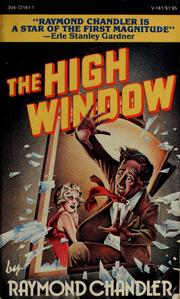
- The high window (1942)
- The Lady in the Lake (1943)
- The Little Sister (1949)
- The Long Goodbye (1953)
- Playback (1958)
There is no chronological-versus-publication argument here, which is unusual for a long-running detective series. Marlowe barely ages, references almost nothing from earlier cases, and the books were written in order. Publication order is simply the order.
What you can skip
The high window and The Lady in the Lake are the weak middle. Both were assembled partly by cannibalising Chandler's earlier pulp stories, and both feel it: the plots are more mechanical, the Los Angeles less alive, Marlowe more of a device. Most readers find them competent rather than remarkable. If you are testing whether Chandler is for you, skip both and go from Farewell, My Lovely straight to The Little Sister.
You should not skip The Little Sister. It is the sourest book in the sequence, a Hollywood novel written by a man who had just spent several unhappy years in the studios, and its bitterness is the setup for what comes next.
The peak, and the fall
The Long Goodbye is the reason to read Chandler in order. It is longer, slower and sadder than the others, more concerned with friendship and drinking than with detection, and it only carries its weight if you have watched Marlowe stay upright through five previous books. Read out of sequence it is a good crime novel. Read in sequence it is the payoff.
Playback is thin. It was salvaged from an unproduced screenplay, it is short, and the prose has lost its spring. Read it only if you want to see the whole shape of a career. It is not where anyone should stop having a good time.
The essay and the letters
The simple art of murder is Chandler's manifesto — the essay that dismisses the English country-house puzzle and argues for crime fiction that puts murder back in the hands of people who commit it for reasons. Read it after two or three novels, when you can see him doing what he describes.
Selected letters of Raymond Chandler is for the converted. He was a superb, cranky correspondent, and the letters are funnier than the novels.
Honest warnings
The books are of their period in ways that are hard to read past. Racial language, the handling of gay characters, and the way women are sorted into predators and victims all date badly, and it is a genuine matter of judgement whether the prose earns the discomfort. Readers differ; it is worth knowing before you start rather than being ambushed in chapter three.
Where to stop
After The Long Goodbye. That is the honest answer. Five novels, one essay, and you have the whole thing. Then follow the reading path into someone else.
Follow the full ordered path here: Raymond Chandler Reading Order: Where to Start.