A radiation therapist delivers precise, high-stakes treatment to cancer patients day after day, which means the role asks for both deep science and exacting technique. The reading rewards an order that mirrors that: understand cancer and how radiation affects it, then the physics of delivering a dose, then the clinical practice, then the boards. Start with a machine manual before the biology and you will operate without understanding what you are treating.
These books complement, not replace, an accredited radiation therapy program, supervised clinical training, and certification through the ARRT.
Understand cancer and radiation
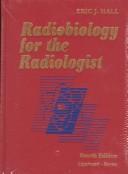
Start with the why. The biology of cancer by Robert Weinberg is the landmark text on how cancer arises and behaves — essential grounding for anyone who will treat it. Then Radiobiology for the radiologist by Eric Hall explains how ionizing radiation kills cells and why treatment is fractionated the way it is. Together they answer the fundamental question the rest of the path builds on: what are we actually doing to the tumor, and to healthy tissue?
Learn the physics and the plan
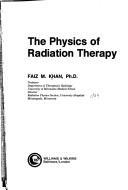
Delivery is a physics problem. The physics of radiation therapy by Faiz Khan is the standard reference on dose, beams, and treatment planning, and it repays patient study. Principles and Practice of Radiation Therapy by Charles Washington is the comprehensive clinical text that ties the physics to actual patient treatment, from simulation to daily setup. Read the physics for the mechanism, then the practice text for the workflow.
Go clinical, then certify
For the oncology context, Clinical radiation oncology by Gunderson broadens your understanding of disease sites and treatment decisions. Then prepare for the exam: Radiation Therapy Study Guide and Registry Review and Mosby's Radiation Therapy Study Guide and Exam Review both target the ARRT registry directly, organizing and drilling the tested material. Used after the science and clinical texts, they consolidate rather than introduce.
Read in this order — biology, physics, clinical, boards — and a demanding field becomes a coherent progression. Follow the full path to enter the clinic understanding the treatment, not just running the machine.
Follow the full reading path →
Ready to learn something deeply?
Build a reading path — free