A compelling portrait is three skills braided together: technical control of the camera, command of light, and the human craft of posing and directing a person. Beginners usually over-invest in one and neglect the others — buying lights before they understand exposure, or mastering gear while their subjects look stiff. The order below builds the stack correctly: fundamentals first, then the physics of light, then posing and the working portrait practice.
Best Portrait Photography Books, in Reading Order
July 14, 2026 · 2 min read
Foundations: exposure and the language of light
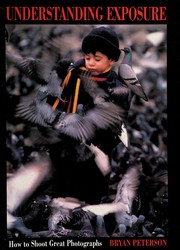
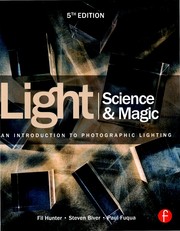
Start with Understanding Exposure by Bryan F. Peterson, the classic that makes aperture, shutter, and ISO intuitive so the camera stops fighting you. Then move to the single most important technical book for portraiture: Light-- Science and Magic by Fil Hunter, which explains how light actually behaves on surfaces and faces. Once you understand why light falls the way it does, every lighting setup becomes reasoned instead of copied.
Core: posing and directing people
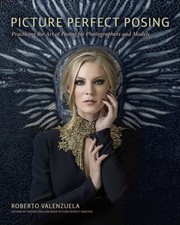
Now the human side. Picture Perfect Posing Practicing The Art Of Posing For Photographers And Models by Roberto Valenzuela breaks posing down into a learnable system rather than a bag of tricks. Complement it with The portrait photography course by Mark Jenkinson, a structured overview that ties technique, light, and working with subjects into a coherent practice.
Depth: lighting craft and refined practice
Deepen your lighting hand with Painting with Light by John Hartman and Studio Lighting Unplugged by Rod Ashford for controlled, studio-style setups, and Direction and Quality of Light by Neil van Niekerk for reading and shaping available and flash light on location — arguably the most practical everyday skill.
Finally, refine your eye and your rapport. Picture Perfect Practice by Roberto Valenzuela drills location, light, and posing together through deliberate exercises, and On Photographing People by Ralph Hattersley steps back to the psychology and connection that make a portrait feel alive rather than merely well-lit.
Read in this order, the gear and lighting choices flow from understanding rather than imitation, and your subjects start to look like themselves.
Practice light before you buy it
The most useful thing you can do while reading this path is experiment with a single light source. A window, a lamp, or one flash is enough to test everything Light-- science and magic explains: move your subject relative to the light and watch how the shadows and highlights change on the face. Understanding one light deeply beats owning five you cannot control. Posing improves the same way — through reps, not theory — so the system in Picture Perfect Posing Practicing The Art Of Posing For Photographers And Models only sticks once you have directed real people through it, awkwardness and all. And remember that the hardest part of portraiture is not technical at all: it is making a person relax enough to look like themselves, which is why On Photographing People closes the path. Talk to your subject, shoot a lot, and keep the mood easy; the best light in the world cannot save a portrait of someone who feels tense. Follow the full portrait photography path for each stage's study plan, or explore related photography paths.
FAQ
- What is the single most useful portrait book here?
- Light-- Science and Magic is the most frequently cited, because understanding how light behaves underlies every lighting decision. Pair it with a posing book like Valenzuela's for the human side.
- Do I need studio gear to learn portrait lighting?
- No. Direction and Quality of Light focuses on shaping available and simple flash light on location, so you can build strong lighting skills before investing in a studio setup.
Get the books
- 1Understanding exposureAmazon ↗Bryan F. Peterson
- 2Light-- science and magicAmazon ↗Fil Hunter
- 3Amazon ↗
- 4The portrait photography courseAmazon ↗Mark Jenkinson
- 5Direction and Quality of LightAmazon ↗Neil van Niekerk
- 6Picture Perfect PracticeAmazon ↗Roberto Valenzuela
As an Amazon Associate we earn from qualifying purchases. Some book links are affiliate links; you pay the same price and we may earn a small commission.
Follow the full reading path
Portrait photography: books to light and pose people well
Beginner6books37 hrs4 stages
@craftsherpa♥ 0
Ready to learn something deeply?
Build a reading path — free