Going plant-based is easy to do badly — pasta and chips are technically vegan. Doing it well means understanding the health evidence, meeting your nutritional needs deliberately, and cooking food you'll actually want to eat. This reading order moves from the case for plant-based eating, through the practical nutrition, to the athletic and culinary side that makes it sustainable.
A note on balance: nutrition is a contested field, and some of these authors argue strong positions. Read them as informed advocacy, cross-check claims, and treat your own labs and clinician as the tiebreaker.
The health case
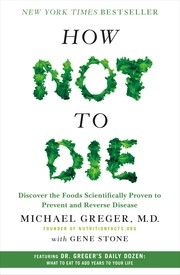
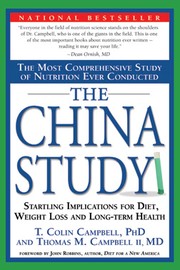
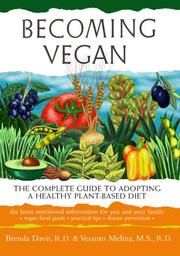
Start with How Not to Die, which surveys the research linking dietary patterns to the leading causes of death — a comprehensive, if pointed, argument for plants. The China Study is the influential (and debated) epidemiological work that put whole-food plant-based eating on the map; read it alongside critiques. Becoming Vegan is the rigorous nutrition reference that grounds the discussion in actual requirements rather than advocacy.
Meet your nutritional needs
This is where good intentions succeed or fail. Vegan for life is the practical, evidence-based guide to getting B12, iron, omega-3s, and protein right on a vegan diet — arguably the most important book here. The Plant-Based Athlete addresses performance and higher protein needs for active people, and Proteinaholic challenges common assumptions about how much protein we actually require.
Make it sustainable
A diet you abandon helps no one. How Not to Diet applies the same evidence lens to weight management specifically, Fiber Fueled focuses on gut health and the microbiome benefits of plant diversity, and The Blue Zones Kitchen turns it all into recipes drawn from the world's longest-lived communities.
Follow the full path and you'll build a plant-based diet that's nutritionally complete, evidence-informed, and genuinely enjoyable to eat.
Follow the full reading path →
Ready to learn something deeply?
Build a reading path — free