Planetary science is a genuinely hybrid subject. To understand a single moon you need a bit of geology, a bit of atmospheric physics, some orbital mechanics, and a feel for chemistry — and that is before you leave our own solar system. Approached as separate disciplines it fragments; approached as a tour of real worlds, it coheres.
The reading order that works starts with the sheer wonder of the planets, uses individual worlds to teach the underlying processes, and only then moves to the formal treatments and the frontier of exoplanet discovery.
A tour of the worlds
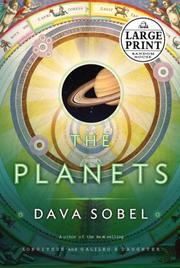
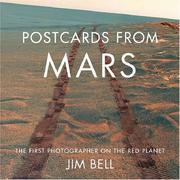
Begin with The Planets, Dava Sobel's lyrical, humane tour that gives each world a character before you study it as a system. Then get concrete with Postcards from Mars, a photographic account from a scientist on the rover missions that shows planetary science as it is actually done. For a browsable, fact-rich companion, The Photographic Card Deck Of The Solar System puts every planet and major moon in front of you with the data to match.
Reading planets as processes
Now let real phenomena teach the physics. Volcanoes explains the geology that resurfaces worlds from Earth to Io, and Atmosphere, Clouds, and Climate grounds the atmospheric science that governs weather and climate on any planet with air. The story of Earth uses our own planet as the master case study in how a world evolves over billions of years — the reference point against which every other world is measured.
Moons, dwarfs, and other suns
The deeper arc moves outward. The Moons of Jupiter explores the astonishing diversity of the Galilean satellites, and Saturn and How to Observe It turns the ringed planet into something you can study yourself. The Pluto Files uses the demotion of Pluto to teach how planetary categories are actually drawn. For the formal core, Planetary Sciences is the standard graduate-level text that unifies the whole field with real rigor. Finally, look beyond the solar system: The Exoplanet Handbook is the technical reference on detecting and characterizing other worlds, and The planet factory tells the accessible story of how those thousands of exoplanets are found and what they reveal about planet formation.
Read in this sequence, planetary science stops being a scrapbook of separate worlds and becomes a single science of how planets form, evolve, and behave. Follow the full path to explore it world by world.
Follow the full reading path →
Ready to learn something deeply?
Build a reading path — free