Perfumery frustrates beginners who rush to blend before they can smell. Without a trained nose and a grasp of how notes evolve on skin, mixing oils just yields muddy, fleeting messes. The craft is part chemistry, part art, and entirely dependent on perception, which is a skill you build deliberately over time.
A good reading order develops that perception first, then the materials, then the formulation science, and finally the cultural fluency that gives your work taste. Each book prepares the ground for the next.
Train your nose and appreciate scent
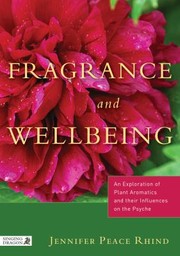
Start with The Perfume Bible by Josephine Fairley, an accessible introduction to the world of fragrance and how to smell it critically. For a sense of scent's emotional power, Patrick Suskind's novel Perfume Title:the story of a murderer is an unmatched education in obsession and the imagination of smell. Then read Fragrance and Wellbeing by Jennifer Peace Rhind to understand how aromatic materials affect mood and mind.
Learn the materials
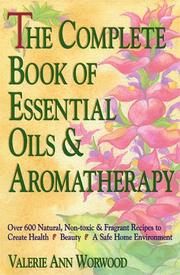
Now get hands-on with ingredients. The complete book of essential oils and aromatherapy by Valerie Ann Worwood is a deep, practical reference on natural aromatics and their properties, the raw palette you will work from. Ground it in tradition with The Art of Perfumery by G.W. Septimus Piesse, the classic historical text on how perfumers thought about building scent.
Formulate and refine your taste
Finally, learn to compose. Perfumery by Robert R. Calkin brings the modern science of formulation, structure, and materials, and Making Natural Perfumes by Jan Kusmirek turns that knowledge into practical botanical blending. To sharpen your taste and cultural fluency, Perfume: Joy, Obsession, Scandal, Sin by Judith Thurman, The Scent of Desire by Rachel Herz, and Perfume: In Search of Your Signature Scent by Mandy Aftel connect the craft to psychology, history, and personal expression.
Work these in order and blending stops being guesswork. Follow the full path from learning to smell to building fragrances with intention.
Follow the full reading path →
Ready to learn something deeply?
Build a reading path — free