People-pleasing and codependency feel like kindness from the inside, which is why they're so hard to change. You give and give, resent it, and can't figure out why saying no feels dangerous. A clear reading order helps: recognize the pattern first, then understand where it came from, then build the boundary skills — because you can't skip straight to "just say no" and make it stick.
Reading in sequence matters because insight into the roots is what finally makes boundaries feel safe rather than selfish.
Recognize the pattern
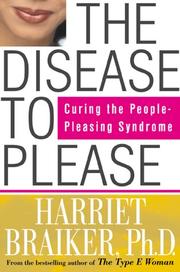
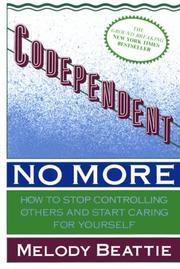
Start with The Disease to Please, which names people-pleasing clearly and shows its hidden costs — the resentment, exhaustion, and lost self. Codependent No More is the classic that defines codependency and the compulsion to fix and control others at your own expense. Together they hold up a mirror; many readers feel seen for the first time.
Understand where it comes from
These patterns almost always have roots. Running on empty explains childhood emotional neglect — how growing up unattended to teaches you to disappear. Adult children of emotionally immature parents shows how immature or self-absorbed parents shape people-pleasing and self-doubt. And Attached explains attachment styles, illuminating why some of us over-give to keep connection. Reading these turns "why am I like this?" into understanding, which is where change becomes possible. The Body Keeps the Score deepens it by showing how these survival patterns live in the nervous system.
Build boundaries and self-worth
Finally, the skills. Set Boundaries, Find Peace and Boundaries are the practical, widely-loved guides to defining limits and communicating them without collapsing into guilt — the working core of this path. Self-Compassion supports the shift by making it okay to matter, too. And Daring Greatly helps you tolerate the vulnerability of disappointing people, which is what boundaries require. Read last, they turn insight into new behavior.
A brief honesty note: when these patterns are rooted in trauma, or you're in a relationship involving abuse, a therapist's support matters — and if you're unsafe, please reach out to a domestic-violence resource or crisis line. These books complement professional help; they don't replace it.
Follow the full reading path to move from chronic people-pleasing toward boundaries that let you keep yourself.
Follow the full reading path →
Ready to learn something deeply?
Build a reading path — free