Parents arriving at this subject usually arrive tired, and often after a bruising school meeting. The literature does not make it easier: it splits between books that treat ADHD as a neurodevelopmental disorder requiring structured intervention and books that treat it as a difference to be reframed, and both camps write persuasively. Reading in the wrong order tends to mean picking a side before you understand the condition.
The order below starts with the clinical mainstream, because that is where the evidence base is, then adds the day-to-day behavioural tools, then medication information, then the strengths-based argument last — when you have enough grounding to weigh it.
The necessary caveat, stated once: diagnosis, medication, and formal school accommodation are the territory of clinicians and schools, not books. These titles help you understand what you are seeing, ask sharper questions, and implement what a clinician recommends. They cannot diagnose your child and nothing here should be used to defer an assessment.
Understand what ADHD is
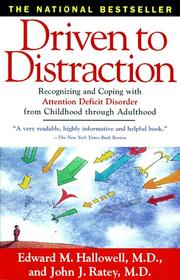
Driven to distraction remains the book that most parents find themselves recognising their child in. Hallowell and Ratey write from clinical practice and from having ADHD themselves, and the case vignettes convey the internal experience — the mental restlessness, the hyperfocus, the shame that accumulates from years of being told to try harder — better than any diagnostic criteria list.
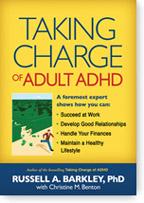
Taking charge of adult ADHD is on this path for a reason that surprises people: ADHD is strongly heritable, and a substantial number of parents recognise themselves while reading about their child. Barkley is the most rigorous researcher writing for general readers, and if the description fits you, addressing your own executive function will make every strategy in the later books more possible to actually sustain.
Get the behavioural tools
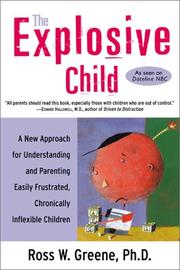
The explosive child is the practical turning point for many families. Ross Greene's collaborative and proactive solutions model starts from the premise that children do well if they can, and that explosive behaviour reflects lagging skills rather than a lack of motivation. His alternative to reward-and-punishment systems — solving specific recurring problems together, in advance, when nobody is upset — is well suited to the demand-avoidance and frustration that come with ADHD.
Your defiant child is Barkley's structured behavioural parenting programme, and it comes from a different tradition: a sequenced eight-step approach with attending, praise, effective commands, token systems, and time-out used consistently. The two books genuinely disagree about method. Read both, notice that many families end up using pieces of each, and choose based on what your child responds to rather than which philosophy reads better.
Medication, and the strengths argument
Straight talk about psychiatric medications for kids is the plain reference for the conversation you will probably have. Wilens covers the stimulant and non-stimulant classes, how they work, what side effects to watch for, and how monitoring should go — written so you can participate in the decision rather than simply receive it. It informs a conversation with a prescriber; it does not replace one, and medication decisions belong with your child's clinician.
ADHD by Michael Reiff is the American Academy of Pediatrics guide and works as the level-headed summary of the whole picture: evaluation, school supports, treatment options, and what the evidence supports. If you want one authoritative reference to hand a sceptical relative, this is it.
Close with The ADHD advantage, which argues that ADHD traits confer real benefits in some environments. Read it last and read it critically — it is a useful antidote to a purely deficit framing, and its claims run ahead of the research in places. Held alongside the earlier books it adds something; read first, it can make the harder work look optional.
If you are navigating school supports as well, the parenting an autistic child hub covers overlapping advocacy ground. Follow the full path to read these in order.
Follow the full ordered path here: Best Books on Parenting a Child With ADHD, in Order.