pandas is one of those libraries that lets you get an answer quickly and then quietly punishes you for how you got it. The gap between working pandas and good pandas is wide, which is exactly why reading order matters. Learn the idioms late and you spend months writing slow, fragile chains of code.
The path here starts with enough Python to be dangerous, moves through the canonical pandas texts, then deliberately teaches the idiomatic, vectorized style before ending on how to present what you find.
Python first, then the core library
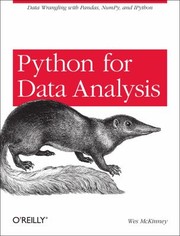
If your Python needs work, start with Python crash course to get comfortable with the language. Then read Python For Data Analysis, written by pandas' own creator, as your anchor text for the library's design and capabilities. Reinforce the everyday mechanics with Pandas in Action, which is friendlier and heavier on worked examples, and Learning pandas as a supplementary tour of the same ground.
Write pandas the right way
Getting data into shape is most of the job, so Data wrangling with Python covers cleaning, reshaping, and combining messy real-world data. Then Effective pandas is the pivotal book on this path: it teaches the chained, vectorized style that separates clean, fast pandas from the slow loops beginners write. Read it before your habits harden.
See the bigger picture and tell the story
Python Data Science Handbook places pandas inside the wider ecosystem of NumPy, Matplotlib, and scikit-learn, so you see where analysis leads. Storytelling with Data then teaches you to turn results into charts and narratives people actually act on. For heavier workloads, Data Analysis with Python and Pyspark shows how the same thinking scales to distributed data.
Follow this order and you will write pandas that is not just correct but fast, readable, and persuasive. Follow the full path to keep the books sequenced.
Follow the full reading path →
Ready to learn something deeply?
Build a reading path — free