Flask is a small framework by design, and that is exactly why the reading order matters. Flask gives you routing and templating and then gets out of the way, so you assemble your own stack for databases, testing, and APIs. Learn those pieces in the wrong order and Flask feels deceptively simple until your app grows.
The right path is Python first, then Flask itself, then the companion skills that turn a toy app into something maintainable. Get comfortable with the language before you fight the framework.
Ground yourself in Python and Flask
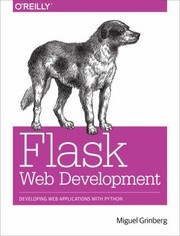
Start with Python crash course if your Python is shaky; it moves quickly to real, running programs. Then read Flask Web Development, the canonical book that builds a full application and explains the framework's idioms clearly. Reinforce it with The New And Improved Flask Mega-Tutorial, which walks the same author's project-based approach in even more depth, so the patterns stick through repetition.
Build APIs and wire up data
With the basics down, Building RESTful Python Web Services teaches you to expose clean, resource-oriented endpoints. Persist your data properly with Essential SQLAlchemy, which demystifies the ORM that most serious Flask apps rely on. Keep the app honest with Python Testing with Pytest, so refactors do not turn into guesswork.
Level up and design well
Flask Framework Cookbook is the reach-for-a-recipe book once you are shipping features and hit real-world problems. Close with Designing Web APIs: Building APIs That Developers Love, which lifts you above framework mechanics to the design decisions that make an API pleasant to consume. If your next step is data-heavy work, the reading naturally flows toward Python data tooling.
Read in this order and Flask stops feeling like a starter kit and becomes a deliberate, testable foundation. Follow the full path to keep the sequence intact.
Follow the full reading path →
Ready to learn something deeply?
Build a reading path — free