Oracle Database is one of the most capable and complex systems in enterprise computing, and its documentation alone runs to thousands of pages. For a would-be DBA, the risk is not lack of material but drowning in it. A deliberate reading order builds competence in layers: query performance, then programming, then architecture, then deep optimization and high availability.
The path below reflects how the skill actually accumulates on the job.
Start with SQL performance
Begin where the daily pain is. Oracle SQL Tuning with Oracle SQLTXPLAIN teaches you to diagnose and fix slow queries using Oracle's own tooling — an immediately useful skill. Follow it with Expert Oracle SQL, which goes deep on how the optimizer thinks, so you write SQL that performs by design rather than by luck.
Learn PL/SQL
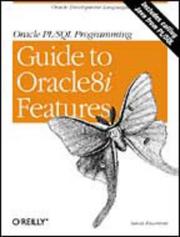
Oracle's procedural language is central to real systems. Oracle PL/SQL Programming by Steven Feuerstein is the definitive, comprehensive text — the book on the subject. Pair it with Oracle PL/SQL Best Practices, which distills hard-won guidance into practical rules for writing maintainable, efficient code. Together they make you fluent in the language that lives inside the database.
Administration and architecture
Now the DBA core. Oracle Database 12c Dba Handbook is the broad operational reference — installation, backup, users, maintenance. Then Expert Oracle Database Architecture by Thomas Kyte is the essential deep dive into how Oracle actually works internally, the knowledge that separates a button-pushing operator from a real DBA.
Performance mastery and high availability
Finally, specialize. Oracle performance survival guide and Optimizing Oracle Performance teach a rigorous, evidence-based approach to making whole systems fast, not just individual queries. OCP Oracle Database 19c Administrator Certified Professional Study Guide ties your knowledge to the certification employers recognize, and Oracle Data Guard 11gR2 Administration Beginner's Guide introduces the disaster-recovery and high-availability skills that production systems demand.
DBAs work closely with application developers, so understanding what teams building on Vue.js or other stacks need from the database rounds out the role. Follow this order and Oracle stops being intimidating and starts being manageable.
Follow the full reading path →
Ready to learn something deeply?
Build a reading path — free