No-dig gardening rests on a simple, powerful idea: stop tilling, feed the surface with compost, and let the soil's own life, worms, fungi, bacteria, build fertility for you. It produces less weeding, less watering, and healthier crops. But it only makes sense once you understand why disturbing soil is counterproductive, which is why the reading order runs from method to compost to the underlying science.
This path gives you the practical how-to first so you can start a bed this season, then builds the compost skills that fuel the system, and finally the soil biology that explains why it all works. Here is the sequence.
Learn the method
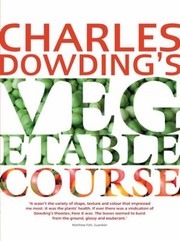
Start with the person who popularized it. No dig organic home & garden by Charles Dowding lays out the whole approach clearly, and Charles Dowdings Vegetable Course takes you crop by crop through a productive no-dig year. Add Gardening Without Digging by A. Guest, an early, concise statement of the idea, and How to Grow Your Dinner by Claire Ratinon, a warm, accessible entry point for a complete beginner.
With these you can build and plant your first no-dig bed immediately, then keep reading to understand what you have set in motion.
Master compost, the engine
No-dig runs on compost, so this is not optional. Compost Everything by David Goodman is a freewheeling, practical take on turning almost any organic matter into fertility, while The complete compost gardening guide by Barbara Pleasant is the thorough, systematic reference. Because you feed the surface rather than dig in fertilizer, your compost is the whole nutrition system, and these books make sure it is abundant and good.
Understand the soil science
Now learn why it works. Teaming with microbes by Jeff Lowenfels is the landmark explanation of the soil food web, the community of organisms that no-dig protects and feeds. Its companion Teaming with fungi goes deeper into the mycorrhizal partnerships that quietly feed your plants.
Widen the frame with The market gardener by Jean-Martin Fortier, which shows intensive, low-till growing at a productive scale, and Growing a Revolution by David Montgomery, which makes the big-picture soil-science case for regenerative, minimal-disturbance farming. Together they turn a gardening technique into a coherent philosophy of soil.
Read in this order, method, compost, science, you get results fast and understanding soon after. Follow the full reading path to build soil that gets richer every year while you dig less and less.
Follow the full reading path →
Ready to learn something deeply?
Build a reading path — free