Herbalism draws on botany, gardening, and traditional practice, and it asks for real care: correct plant identification and honest limits keep it safe. These books are a foundation for growing and using herbs thoughtfully, and they complement rather than replace professional medical care. Nothing here is a substitute for a doctor, especially for serious conditions, pregnancy, or anything taken alongside medication.
The path begins with a friendly foundation, moves through identification and cultivation, and ends with the technical craft of making remedies. Reading in this order keeps you from jumping to potent preparations before you can confidently name the plant in your hand.
Begin gently
Start with a trusted first teacher. Rosemary Gladstar's Medicinal Herbs : a Beginner's Guide is the classic entry point, introducing a small set of safe, versatile herbs with simple preparations, exactly the right scope for a beginner. It builds confidence without overwhelming you.
Identify and grow your plants
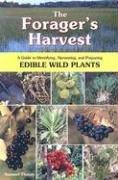
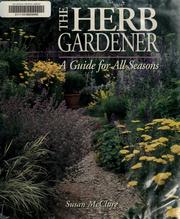
Before you use any plant, you must be certain what it is. The Forager's Harvest by Samuel Thayer teaches rigorous, responsible identification of wild plants, the discipline that keeps foraging safe. Then bring the plants home: The herb gardener by Susan McClure covers growing them yourself, and Jekka's Complete Herb Book by Jekka McVicar is an authoritative, beautiful reference to a wide range of herbs and their uses.
Growing your own is the safest supply, because you control exactly what the plant is and how it was raised.
Learn the maker's craft
With plants you can name and grow, learn to prepare them well. Making Plant Medicine by Richo Cech is a practical, grounded guide to tinctures, salves, and simple extracts. The herbal medicine-makers' handbook by James Green goes deeper into the chemistry and technique of preparation, the reference that turns a hobby into a craft.
Round out your shelf with two focused references. The modern herbal dispensatory by Thomas Easley connects specific preparations to specific uses in a formulary style, and Adaptogens by David Winston explores one important, popular category of herbs in careful detail.
Read in this order, foundation, identification, cultivation, preparation, you build competence in the safest possible sequence. Follow the full reading path, keep learning conservatively, and treat these books as a complement to qualified medical advice.
Follow the full reading path →
Ready to learn something deeply?
Build a reading path — free