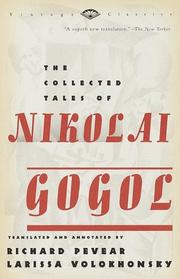
Start with The Overcoat, which means starting with one of two collections: The collected tales of Nikolai Gogol if you want the Ukrainian stories in the same volume, or Petersburg tales if you want only the city cycle. Read The Overcoat first, then The Nose, then Diary of a Madman, then Nevsky Prospect. The obvious alternative is to open with Dead Souls, which is his one novel and the book he is famous for — but it is unfinished, episodic and much better once you already know how his sentences work.
Buy one collection, not both. Gogol's stories are almost never sold individually, which is why this path lists volumes rather than titles, and the volumes overlap heavily. The collected tales of Nikolai Gogol runs 464 pages and includes several of the Ukrainian stories that also appear in Mirgorod and Evenings on a farm near Dikanka later on. Check the contents page before ordering, or you will pay twice for Viy.
The Overcoat — a copying clerk of no importance saving for a new coat — is the most influential short story in Russian literature. Its peculiarity is tonal: it mocks Akaky Akakievich mercilessly for pages, then turns without warning into pity, and readers argue about exactly where the turn happens. Find the sentence yourself. Spend ten minutes first on the imperial Table of Ranks, because half the jokes in these stories are rank jokes and are invisible without it.
The Ukrainian tales
Now go back to the beginning. Evenings on a farm near Dikanka was Gogol's first book, published in his early twenties, and it made him famous immediately: devils, witches, a stolen moon, village weddings, all framed as tales collected by a beekeeper who apologises, wanders and vouches for events he cannot have witnessed. That fussy unreliable narrator is the same one who later tells The Nose. Reading the folk material after the city stories shows how much of the later absurdism is simply village devilry relocated to Petersburg.
Mirgorod is where the mode darkens. Viy is an outright horror story and still frightening — read it at night, in one sitting, which is the only instruction in this guide that is about atmosphere rather than comprehension. Old-World Landowners in the same collection is the opposite: his saddest and gentlest story, and the least like his reputation.
Taras Bulba is the Cossack novella, violent and nationalist and unlike everything else here. One thing to know before you buy: Gogol substantially revised it years after first publication, and the revision is markedly more Russian-nationalist and more hostile in its portrayal of Poles and Jews than the original. Most translations use the revised text, so a reader is meeting an author's later politics written back into an earlier book. Whether to treat that as period detail or as authorial position is a judgement readers make differently; knowing which version you hold is not optional.
The play, then the novel
Read The government inspector; in a single evening, aloud if you can. A nobody passing through a provincial town is mistaken for an inspector travelling incognito and works out what is happening only after the bribes start. It is the best comedy in Russian and it is short, and it lets you see the machinery in ninety minutes that Dead Souls then runs at national scale.
Dead Souls follows Chichikov through the provinces buying up the names of dead serfs — legally still property until the next census — for a scheme the novel withholds for a long time. Each landowner he visits is a complete comic portrait, and the book is a sequence of encounters rather than a plot; readers expecting momentum should know that going in. The lyrical digressions about the road and about Russia are a second, entirely serious book running under the comedy.
Read about Gogol's last months before you finish it rather than after. He planned three parts on a loosely Dantean model, wrote the second, burned it, wrote it again and burned it again days before he died in 1852 at forty-two, having refused food under the influence of a priest who considered his writing sinful. The novel is unfinished because its author's religious crisis destroyed both the book and him. That is why it goes last: the comic machinery is easier to enjoy before you know how the writer's story ends.
Optional last stage
The Diary of a Madman and Other Stories is a second translation of stories you have already read, and it is genuinely optional. Take one story per sitting with the earlier version open beside it. Gogol's effects live in the sentence, so comparing two versions of The Nose teaches more about how he works than reading two stories you have never met. It also settles the standing suspicion that a confusing passage was the translator's fault — sometimes it was, usually it is Gogol. More reading routes are on Discover.
Follow the full ordered path here: Nikolai Gogol Reading Order: Where to Start.