Everyone who plays board games eventually thinks they could design one. Most who try discover that a clever idea is the easy part; making it balanced, teachable, and fun through dozens of playtests is the real work. A structured reading order shortens that painful trial-and-error.
The path below starts with the theory of what makes games engaging, moves into the concrete mechanics and craft of tabletop design, then into the discipline of playtesting and the path to publishing. Each book builds on the vocabulary the last one gave you.
Understand what makes games work
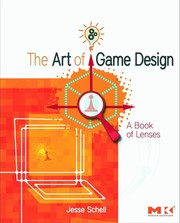
Start with The art of game design by Jesse Schell, the definitive book on the principles behind engaging play, framed through dozens of design lenses. Then Characteristics of games offers a more analytical look at what distinguishes different game structures, sharpening how you think about your own designs.
Learn the craft and mechanics
Move to hands-on design. Challenges for Game Designers is a workbook of exercises that build real skill through practice. The Board Game Designer's Guide by Joe Slack walks through taking a game from idea to finished product, and Building Blocks of Tabletop Game Design by Geoffrey Engelstein is an encyclopedic reference of mechanisms you can combine. Game Mechanics by Ernest Adams goes deep on the systems and emergent behavior underneath.
Playtest and publish
A design only becomes a game through testing. Playtest It! by Rob Daviau, a legendary designer, teaches how to run playtests that actually improve your game. The Kobold Guide to Board Game Design collects wisdom from working designers, and The game inventor's guidebook covers pitching to publishers. If you self-publish, Complete Crowdfunding walks through funding your game yourself.
Work these in order and design becomes a repeatable process rather than a lucky guess. Follow the full path from your first idea to a game on the table — or the shelf.
Follow the full reading path →
Ready to learn something deeply?
Build a reading path — free