Mobile app development is unusually opinionated: each platform has its own language, tools, and human-interface expectations, and the phone in someone's hand is judged more harshly than any web page. That means two things matter more than raw coding — a sense of design, and depth in at least one platform before you spread yourself across many.
This path reflects that. It opens with app design so you build things people want to use, then goes deep on native iOS and Android so you understand the platforms properly, then covers cross-platform Flutter for when you want to ship both at once. Learning it in order keeps you from the classic trap of building a technically working app that feels wrong.
Start with design
Begin with App Design Handbook. Before you write code, understanding how a good app is structured, how screens flow, and what makes an interface feel native saves you from rebuilding everything later. It sets the standard the rest of your work aims at.
Go deep on iOS
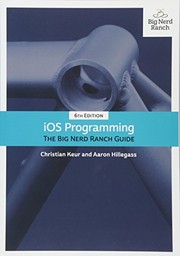
For Apple's platform, Swift Programming: The Big Nerd Ranch Guide teaches the language cleanly, and SwiftUI by Tutorials covers the modern, declarative way to build interfaces. iOS Programming: The Big Nerd Ranch Guide (6th Edition) (Big Nerd Ranch Guides) rounds it out with the frameworks, patterns, and lifecycle knowledge that turn a Swift programmer into an iOS developer.
Go deep on Android
For Google's platform, Kotlin Programming introduces the language that now dominates Android, and Android Programming: The Big Nerd Ranch Guide (3rd Edition) (Big Nerd Ranch Guides) teaches the SDK, activities, and app architecture with the same hands-on rigor as its iOS counterpart.
Build once, ship everywhere
When you want a single codebase across platforms, Flutter in Action introduces Flutter and its widget model, and Programming Flutter deepens it into real, production-shaped apps. Finally, Clean Architecture by Robert Martin teaches how to structure any app so it stays testable and maintainable as it grows — the discipline that separates a hobby app from a product.
Follow the path in order and you will ship real apps that feel right on the platform they run on, ready to fold in the algorithms and system-design paths as your ambitions grow.
Follow the full reading path →
Ready to learn something deeply?
Build a reading path — free